
Illinois has a new e-bike law, signed Aug. 26 and set to take effect Jan. 1, 2027. Class 1, 2 and 3 e-bikes stay legal, with new minimum ages, while e-motos and any e-bike outside those classes become motor driven cycles that need a driver’s license and insurance and are barred from bike lanes and paths. Here’s what the law does, who backed and opposed it, and the questions that still remain.

With the X1 now open for preorder and its official specs out (20,000W peak power, 340 Nm of torque, and a claimed 74.5 mph), we spent three days at InMotion’s Colorado Demo Days stop watching racers and everyday riders push it through jumps, climbs, and crashes. Plush suspension and relentless torque stole the show, while pedal height and battery size drew the most debate.
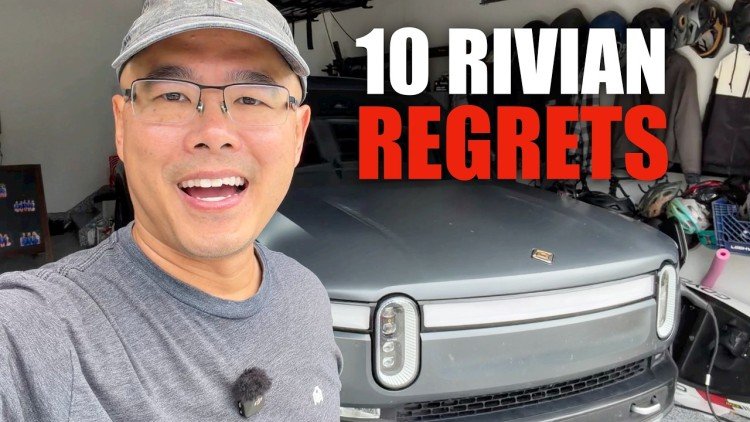
Five years and 40,000 miles later, Jimmy still loves his Rivian R1T but admits his comprehensive warranty running out has him rethinking its complexity, from pricey suspension repairs to a single, Rivian controlled repair network. Everyday costs add up too, surprise 12 volt battery fees, steep windshield and tire replacements, rising insurance, and Colorado’s EV heavy registration fees, alongside everyday gripes like weak camera footage and spotty service experiences elsewhere. Despite the list, Jimmy says he’d still buy it again, crediting years of real use and steady software improvements, though he’s now openly weighing whether to sell before the warranty runs out or stick around to find out what long term Rivian ownership really costs.
Two bills from NYC Council Member Crystal Hudson would end sales and rentals of Class 3 e-bikes in the city (Int 244) and, after a two-year phase-in, riding them on city streets and in parks (Int 1110). Class 3 is legal only in New York City under state law, nothing has passed, and the Council’s own committee report says there is no data on how many e-bikes are on the road. This guide covers what each bill would do, who backs and opposes them, and what the numbers can and can’t tell us.
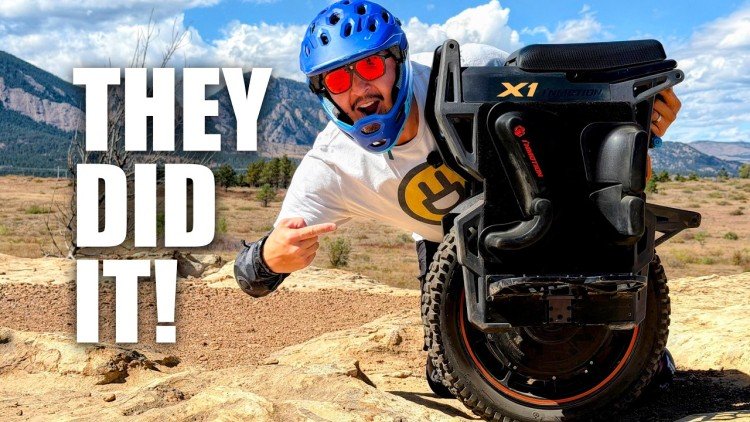
We got a private first ride on the unreleased InMotion X1 during its Demo Days Tour, and its torque, overall balance, and adjustable off-road suspension impressed racers and everyday riders alike. A few rough edges remain, mainly mounting height for shorter riders and remaining firmware kinks to work out, but it looks like one of the most exciting off-road EUCs InMotion has built yet.

California signed a package that answers the "what counts as an e-bike" question with a labeling strategy instead of a license plate, New York's lawmakers went after sales and Class 3 bikes, Chicago started sorting out where Illinois' new law actually rides, and Orange County paid out gift cards for surrendered bikes. Add dozens of Accell bidders, a CEO swap at Specialized, a handful of notable releases plus a South Park episode which relays a caricature of where e-bikes stand, and September turned out to be a very eventful month.
-medium.jpg)
Voro Motors has one of the more well-stocked accessory shelves in the electric scooter world, and a visit to their shop with team member Niko proved it. Andrew walked through everything loaded onto Niko's Kaabo Wolf King GT build, from practically useful picks like the Doctor Orange Tire Sealant and brake bleeding kit to more character-driven additions like the Rubber Ducky horn that lights up, spins at speed, and is objectively the most whimsical way to alert pedestrians on a shared path. The guide covers mirrors, a reinforced seat, steering dampers, racing slicks, winter studded tires, and glow deck panels for Dualtron owners—with Voro Motors as the source for all of it.
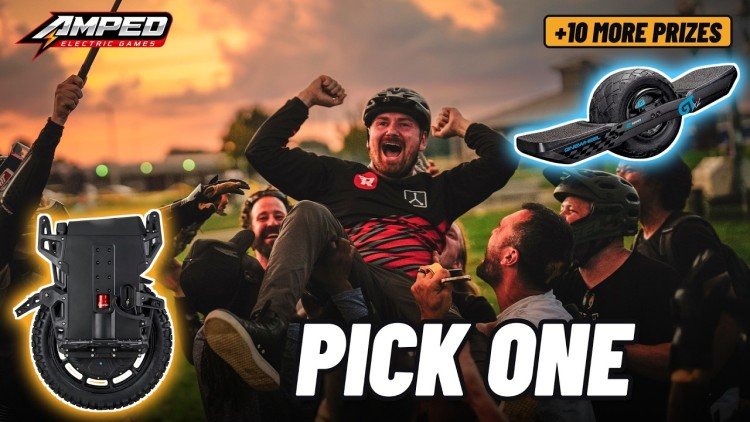
Amped Electric Games returns for its fifth year in Bentonville, Arkansas, and the story behind it is personal: Seth Johnson, the event's founder, is the same person who first handed Andrew a EUC and let him abuse it with his beginner skills. Without that experience, Freshly Charged might look very different today. Built around EUC and Onewheel racing, the event spans everything from elite head-to-head competition on the Thunderdome dual slalom course to beginner training camps, nighttime glow rides, and hands-on trial time time with the newest wheels from top industry manufacturers. This year's edition also includes a free giveaway to chance winning a LeaperKim Lynx-S or a Onewheel Rally XL. Camp Amped starts September 28th, with the main event running October 1-4.
Winter doesn't just shrink your range, it changes what's actually safe to do with your battery. In this article, we break down the real chemistry behind care in the cold, why getting it wrong can lead to permanent damage, the exact numbers that matter for storing and charging a lithium-ion battery (straight from Bosch, the U.S. Fire Administration, and Battery University), as well as a safety issue unique to onewheels and EUCs that most related guides never mention. Plus, a bonus rundown on tire pressure and riding technique, since the battery isn't the only thing demanding extra love in colder months.
A month into enforcement, New Jersey's e-bike law is emptying bike shops — down as much as 90% in some cases — while Illinois and NYC tried structurally different approaches in response to the same problem. With Accell Group's bankruptcy, a wild Colorado fraud story, and new releases from some notable brands, August was brimming with PEV news.

"UL Certified" gets stamped on various e-bike and PEV listings constantly, but it covers wildly different things depending on which standard is behind it. In New York City, actually enforcing a safety standard cut battery-fire deaths by 94% in three years. Now the CPSC has proposed making certification mandatory nationwide for the first time, with public comments open through August 24. We break down what UL 2849, UL 2271, and EN 15194 actually test, why a certification logo isn't always proof of anything (just ask Amazon), and how to protect yourself while the rule works its way through Washington.
-medium.jpg)
Two weeks into owning his Rivian R1T, Jimmy commits to full body XPEL Stealth paint protection film, drawn in by its self healing properties and matte aesthetic. He walks through what the film and an added ceramic coat actually do, the surprisingly fast one day install at Speed EFX, and exactly how the significant price tag is worth it.