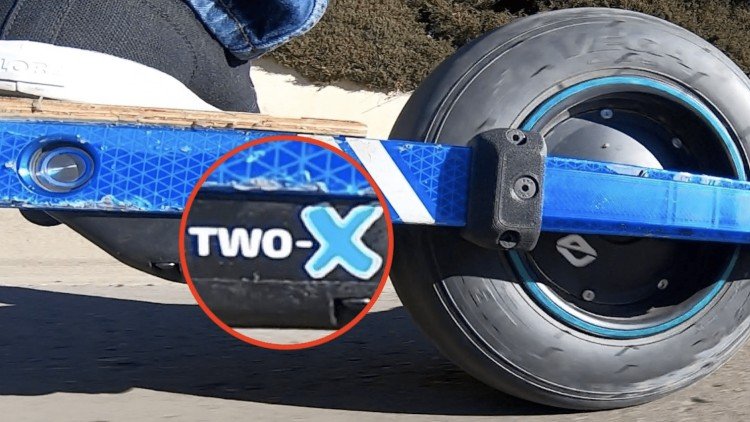
The Two-X mod offers a sleek way to double or triple your Onewheel V1 or Plus range, adding power and torque with integrated batteries while keeping the original look. Though installation is challenging and it adds weight, the upgrade is well worth it for those wanting extended range and performance—just be ready to void your warranty.

The Onewheel is undeniably a pricey investment, but for those who embrace it, the joy and adventure it offers can be priceless. Like skiing or buying the latest gadgets, its value depends on what brings you happiness. If you’re open to learning, exploring, and community, the Onewheel could be absolutely worth it for you.

In this blog, I share my experience buying another used Onewheel and offer seven essential tips for scoring a great deal on platforms like Craigslist or Facebook Marketplace. I explain why used boards often deliver excellent value—some sellers never get the hang of riding or upgrade quickly—and encourage readers to consider smart range-extending mods. Join my journey on social media

Reflecting on aging and passions, the author uses his love for basketball and the Onewheel to challenge perceptions about age and activity. Through personal stories and the influence of sports legends like Kareem Abdul Jabbar, he argues that age should never be a barrier to fun or learning—especially when it comes to riding a Onewheel.

This blog explores the challenge of finding the perfect phrase for riding a Onewheel—"floating" feels right to enthusiasts but confuses outsiders, while using "Onewheeling" as a verb may bridge the gap. The author seeks community input on the best terminology, balancing fun and clarity, and will keep mixing terms until a consensus emerges.
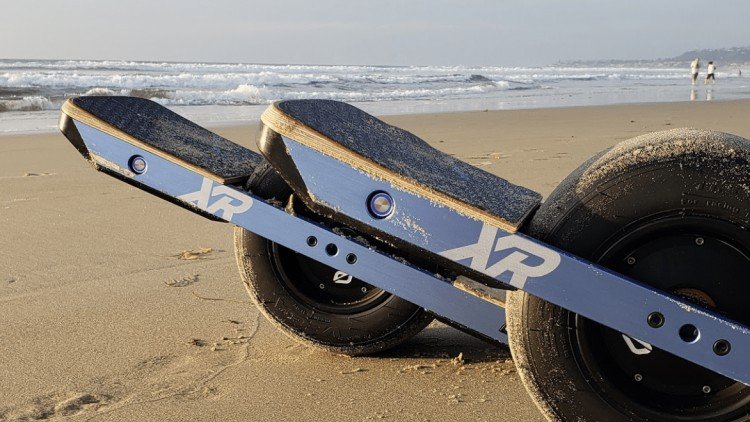
Renting a Onewheel with SUPrents.com made our vacation hassle-free—no airport headaches or range anxiety. The service was quick and easy, with brand-new boards delivered right to our door. If you want stress-free Onewheel adventures or to test one before buying, SUPrents is highly recommended. Plus, customer support is fantastic and returns are simple.
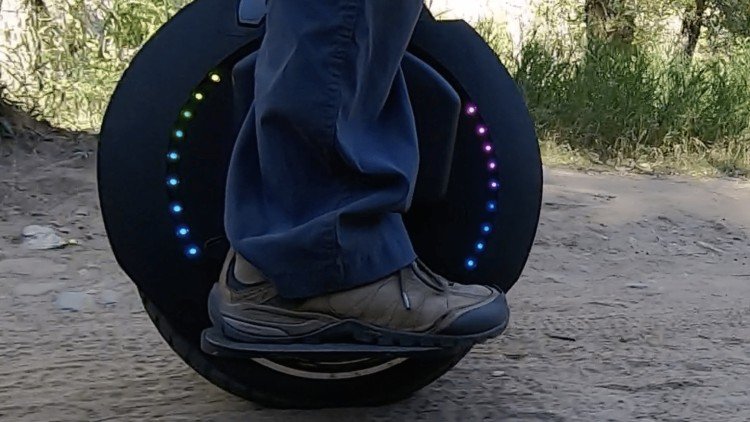
Choosing your first Electric Unicycle (EUC) can be daunting due to numerous options in size, brand, and price. Jimmy Chang shares his experience, recommending a 16” wheel for most beginners, midrange models for balanced performance and value, and brands like KingSong or InMotion for reliability. He emphasizes buying from reputable sellers like ewheels.com for ongoing support.

Traveling with a Onewheel can be tricky, but the ultimate experience of exploring a new city on your Onewheel is worth it. Whether you drive, navigate complicated airline rules, ship your board, rent, or even buy a travel-specific Onewheel, there are solid options to get your ride where you want to go.
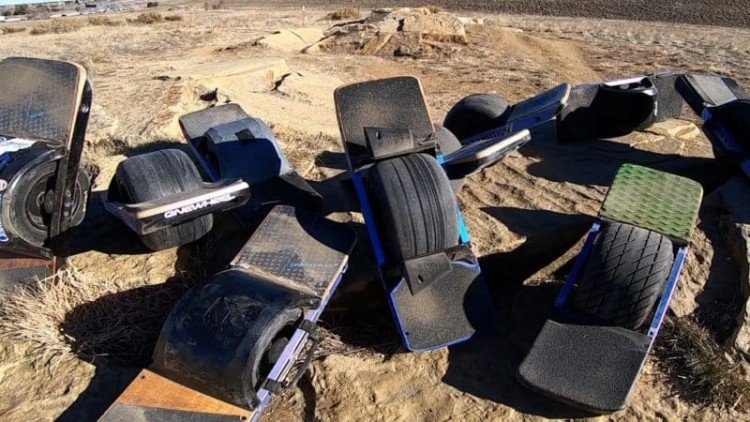
Discovering group rides with the Denver/Rocky Mountain Onewheel Mob transformed my solo Onewheel experience. While solo rides offer peace and independence, riding in a group brings camaraderie, skill-sharing, and a sense of community. If you haven’t tried a group ride, step out of your comfort zone—connect with others and enjoy the thrill together!
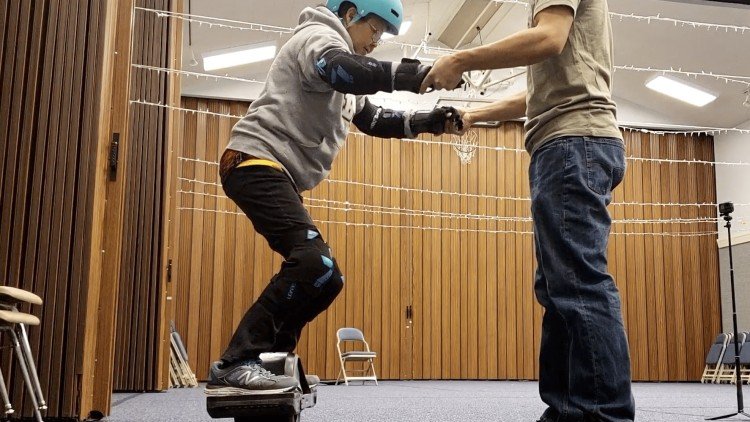
Age is just a number—my almost 70-year-old mom, grandmother to eight, bravely tried my 10-minute Onewheel learning method featured in my previous post! Her fun training session proves anyone can learn something new, no matter their age. Check out how she conquered the Onewheel, and get inspired to give it a try yourself!

Winter Onewheel riding can be thrilling—if you’re prepared. Dress in moisture-wicking layers (preferably wool), avoid cotton, and keep your extremities warm with the right gear. Expect reduced battery range in the cold and never leave your Onewheel outside. Shorter days mean more darkness, so wear reflective clothing and bring a flashlight to stay visible.

Riding a Onewheel for the first time can feel intimidating yet exhilarating. This guide covers essential safety tips, finding your stance, mounting and dismounting, basic controls, turning, and tackling common challenges like pushback and foot fatigue. Following these steps ensures a safer, more enjoyable Onewheel experience—whether you’re riding yourself or teaching others.