The "Full Suspension" category represents the gold standard in ride quality, designed to decouple the rider from the harsh realities of uneven pavement, gravel, and urban decay. While rigid or front-suspension models are suitable for smooth, short commutes, a full-suspension scooter utilizes dual shock-absorption systems—one at each wheel—to provide a "floating" sensation. This setup is essential for those who navigate pothole-ridden city streets or transition between asphalt and light trails. By absorbing the kinetic energy of impacts before it reaches the deck, these scooters drastically reduce rider fatigue and joint strain, making long-distance journeys not just possible, but genuinely enjoyable.
Technically, this category spans several sophisticated mechanical designs, ranging from classic dual-spring coils to motorcycle-grade hydraulic shocks and adjustable air-suspension systems. High-performance models in 2026 often feature inverted hydraulic front forks and articulated rear swingarms, allowing for significant "travel" (the distance the suspension moves to absorb a bump). Beyond mere comfort, these systems serve a vital safety function: they ensure the tires maintain constant contact with the ground. This "mechanical grip" is crucial for maintaining traction during high-speed cornering and reducing stopping distances during emergency braking on imperfect surfaces.
Choosing a full-suspension scooter also protects your investment over the long term. Constant vibration is the primary enemy of electric scooter longevity, often leading to loose bolts, fractured solder joints, and battery deck rattling. By dampening these micro-vibrations, a full-suspension chassis preserves the integrity of the internal electronics and structural components. Whether you are an urban professional looking for a "cloud-like" commute or an weekend adventurer tackling forest paths, this category offers the most refined and durable riding experience available in modern micro-mobility.
-medium.jpg)
The Kaabo Warrior 11 Max takes everything that made the Wolf Warrior 11 Plus a landmark scooter and fixes most of the parts that frustrated owners for years: sine wave controllers, adjustable rear suspension, better tires, quick-release motor connectors, and a proper NFC color display. GPS-verified top speed came in at 49 mph with smooth, stable performance at the limit and strong off-road capability. The rear turn signals are too dim to be useful in daylight, the chargers are slow, and the folding latch pin remains a recurring weak point. At $200 over the Pro version, we believe the upgrades justify the ask.
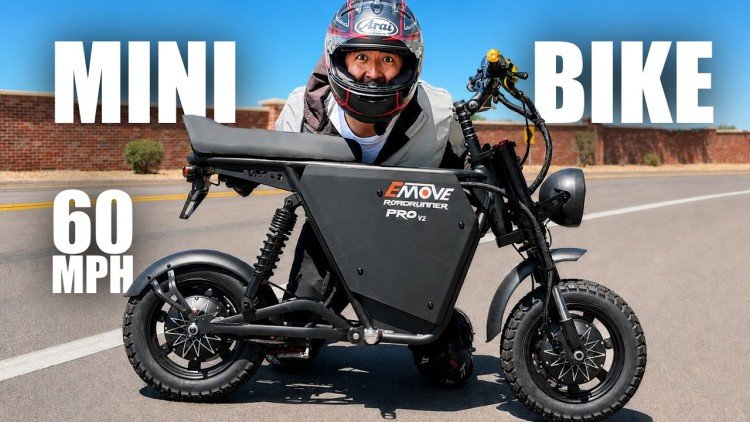
The EMOVE RoadRunner Pro V2 is a sit-down electric scooter capable of high speeds, and it fixes nearly every problem the original had: stronger frame, a 72V system upgrade, DOT motorcycle-grade brakes with 203mm rotors, stiffer suspension, and dramatically better high-speed stability. Andrew and Jimmy put it through the usual paces of Freshly Charged testing, including a brake test, side-by-side comparison with the V1, and a top speed run, coming away with a few criticisms. The V2 is heavier, pricier, and not without rough edges, but as a compact high-performance machine that can fly under the radar due to its small size, it made an impression in every way that counts.
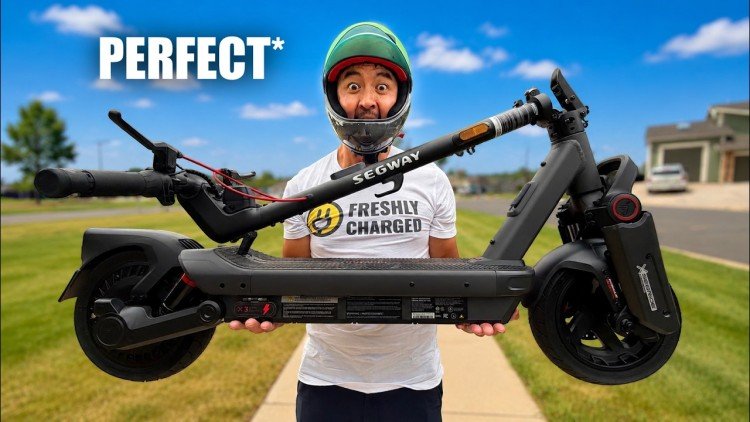
Segway's Max G3 Plus takes an already excellent commuter scooter and sharpens it further: a stronger motor, more usable range, and rear turn signals finally visible in traffic; all wrapped in a riding experience that feels expertly refined. It's a model upgrade rather than a reinvention, so a few rough edges remain, like mechanical rather than hydraulic brakes and a boost-mode activation that's actually gotten fussier than before. Even so, it remains the most complete, tech-loaded scooter in the commuter category, and most of what's left to criticize could be fixed with software updates.
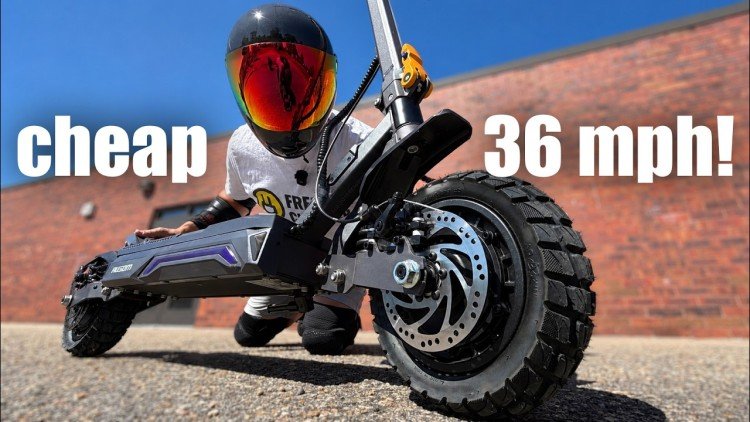
The Ausom GoSoul 2 Pro is a $799 dual motor scooter that actually hits its claimed 36 mph top speed — 36.5 mph GPS verified — making it the fastest electric scooter our team has tested at this price point. Andrew and Jimmy put it through extensive real world testing, covering everything from hill climbs, brake tests, and power slides, coming away impressed by the value packed into the price point: tubeless tires, NFC and PIN security, accurate display, and dual motor hill climbing capability that most scooters in this class simply cannot match. The criticism list is worth mentioning but very manageable — the center steering notch takes adjustment, the deck needs grip tape, and the turn signal button needs a redesign — but none of it changes the enthusiasm we have for this product.
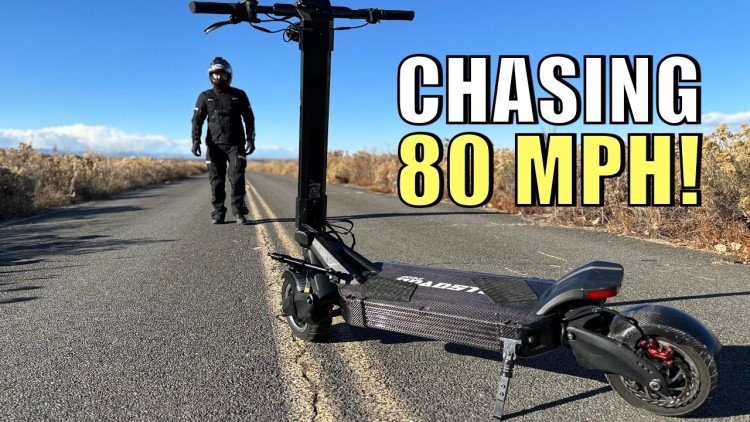
Andrew took the EMOVE Roadster — VoroMotors' fastest production electric scooter on the market — out for a GPS verified speed record attempt, targeting the 80 mph barrier. He did not break it, but he did tie his personal best of 74 mph on a modified unit that was not running its full production brake spec and on a runway that was not quite long enough to fully unwind the throttle. The machine itself was rock solid at speed, but the conditions were not ideal.
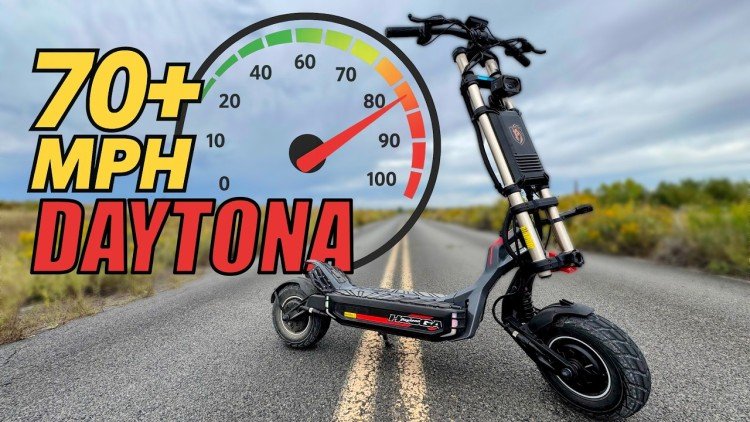
The Hooga Daytona is their flagship hyper scooter sold exclusively by VoroMotors, and we can confirm it earns the title. The Freshly Charged team hit 78 mph via Draggy, praised the four piston DOT hydraulic brakes as the best ever tested on an electric scooter, and found the suspension genuinely capable across both off road trails and highway speeds in the same session. At 152 pounds with a tool dependent fold, this is not a machine you carry up stairs, and buyers should plan real world range around 31 miles under aggressive conditions rather than the spec sheet maximum. The turn signals are too dim for daytime use on a scooter that can do 78 mph, and the included 4 amp charger taking 10 hours to fill a 40Ah battery is a miss at this price point. For the rider who wants the most capable high speed hyper scooter the team has tested — one that actually handles the speed rather than just reaching it — the Daytona makes a strong case, compromises and all.
-medium.jpg)
The VMAX VX2 Hub is a heavily updated commuter scooter that earns its reputation as the best hill climbing single motor scooter the Freshly Charged team has tested, holding 25 mph on grades where most competitors fall apart, and clearing a 23 degree incline with a short run up. Draggy verified top speed of 36 mph is rare for a single motor machine, and the redesigned suspension, display, folding mechanism, and turn signals represent genuine improvements over previous VX2 generations. The compromises are real though: the headlight is too dim for safe night riding, two speed modes is not enough at this performance level, and mechanical disc brakes feel like a cost cut on a scooter at this price point. If hills are the core problem and portability matters, this is the scooter to beat in its class.
-medium.jpg)
The NAVEE NT5 Ultra X is a dual-motor electric scooter targeting the sub-$2,000 market with 40 mph top speeds, tubeless pneumatic tires, traction control, and a genuinely useful app ecosystem. The Freshly Charged team found it to be one of the better-riding scooters tested at this price point, with nimble handling, strong braking performance, and a build quality that reflects NAVEE's years of product refinement in the European market. The battery capacity trails several competitors at the same price, and hardware choices like mechanical disc brakes, a low-mounted headlight, and the absence of a horn are real concessions for a scooter operating at these speeds. The display looks dated and rear turn signals are missing, both reasonable asks at this tier.
-medium.jpg)
The Ausom L1 is a budget electric scooter that punches well above its price tag in ways that are hard to ignore. The Freshly Charged team took it out for a full real world range test across the trails of southern Utah, and what came back surprised us. If you are looking for genuine speed and range without breaking the bank and you live somewhere reasonably flat, this one is worth your attention.
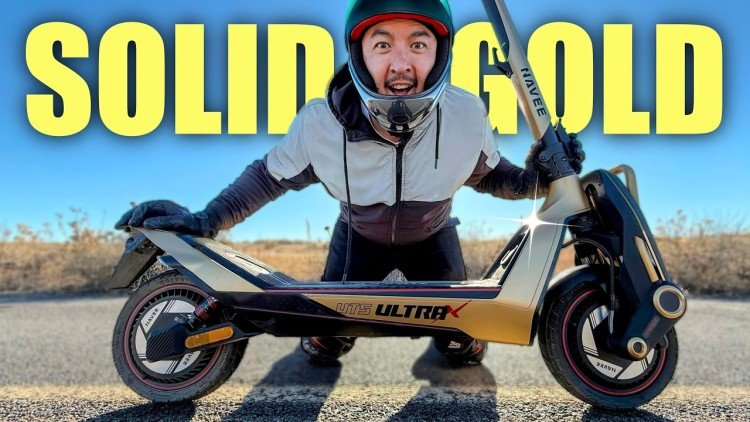
The NAVEE UT5 Ultra X is a flagship-tier electric scooter that makes a strong case for itself on build quality, ride stability, and smart feature integration, even if the price-to-battery ratio gives some buyers pause. Powered by dual 1,200W motors peaking at 4,800W combined, riding on 12-inch tubeless self-healing tires with hydraulic suspension and 130mm hydraulic disc brakes at both ends, it's a mechanically capable machine that proved itself in real-world testing, hitting a GPS-verified 42.9 mph and handling rough road surfaces at speed without drama. The app ecosystem is one of the better implementations in the segment, with adjustable traction control, regen braking tuning, scheduled charging, and Apple Find My all onboard. The gold colorway is genuinely sharp rather than gimmicky, the build is rattle-free and solid, and the UL certification adds a layer of safety credibility that matters at this price point. The weak spots are an outdated display, underwhelming headlight and horn, limited suspension travel, and a 22.3Ah battery that feels modest for a $2,499 ask. However, for riders cross-shopping the Kaabo Mantis who want something more structurally confidence-inspiring, the UT5 Ultra X is a compelling answer.
-medium.jpg)
The NAVEE XT5 Pro is what happens when a top-tier European e-mobility brand decides to stop making "toys" and starts making armor-plated tanks. It isn't chasing the ultra-light portability of a commuter scooter; it’s chasing durability and ride feel. With a carbon steel frame that puts aluminum rivals to shame and a "Mecha-style" design that looks like it belongs in a sci-fi film, this is the ultimate "playful" off-roader for the rider who wants to jump curbs and blast through puddles without worries.
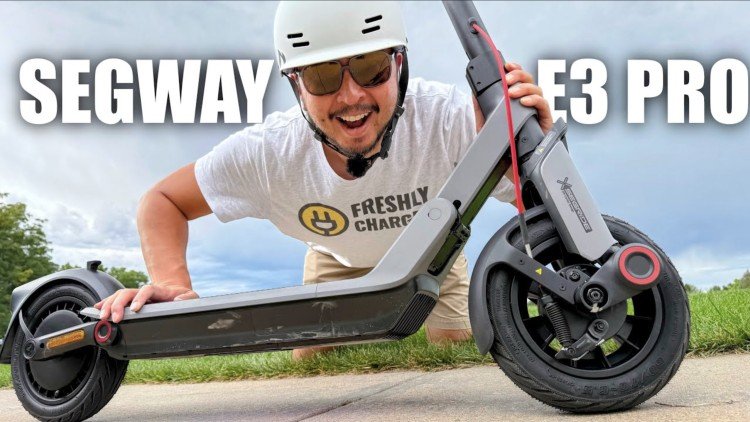
The Segway E3 Pro is a lightweight, affordable commuter scooter packed with modern features—elastomer suspension, Apple Find My, customizable lighting, and turn signals—all at just 40 pounds. With a sleek design, refined ride comfort, and robust tech, it’s a standout choice under $700, ideal for new riders and daily commuters. For Segway's next scooter, definite improvements would be range and water resistance.