What makes an electric bike "affordable"? The answer this question will differ from person to person, and where you live is a big determining factor. Dropping a couple thousand bucks on an e-bike makes a lot more financial sense in a city with good cycling infrastructure, where it can become your primary transportation and quickly pay for itself. If you live somewhere with poor cycling infrastructure or "way out in the boonies", then your e-bike may be more of a hobby purchase and the price tag suddenly seems a lot heftier.
For our purposes, we've set our "affordable" threshold at $2,000 USD; if it costs less than that, it's in!
E-bikes in this category provide a good price-to-value ratio, offering good performance while skipping some of the fancy bells and whistles that more premium (and expensive) alternatives offer. While it can be tempting to look for the cheapest e-bike possible, we actually advise against this! A good rule of thumb to follow, at least in the US, is that an e-bike will cost at least $1,200 if it's a product of worthwhile quality.
Yes, there are exceptions, and even in this day and age you can still find electric bikes for less than $1,000 USD, but these brands tend to compromise too much on quality and offer little or no post-purchase support. The lower the price, the more caution you should exercise as a buyer! Research online, read consumer reviews, and (of course) read our expert opinions here to get the Freshly Charged take.

The Velotric Tempo is one of the most unique lightweight city ebikes we’ve tested, combining an experience that feels natural with smart features such as Pulse Mode heart-rate training. In this review, we test the ride, tech, and real-world performance to see if this is the best lightweight commuter ebike you can buy right now.

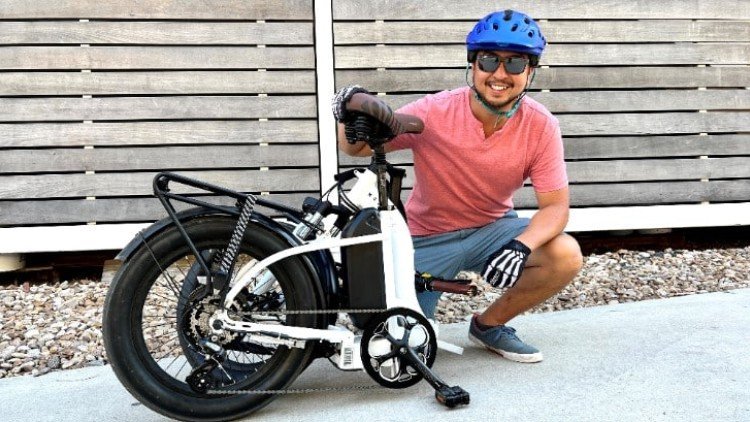


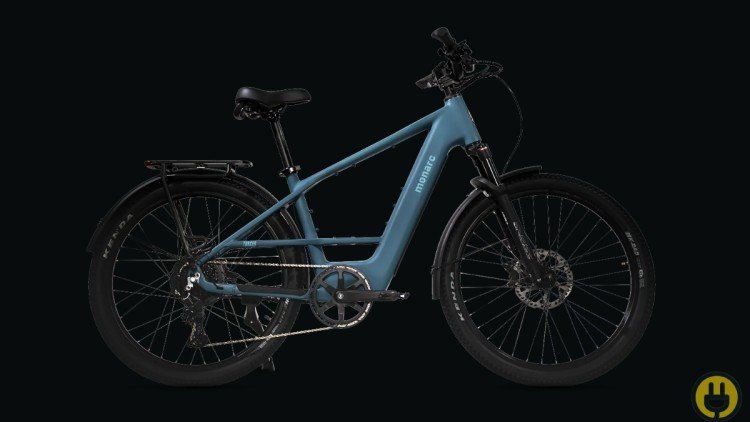
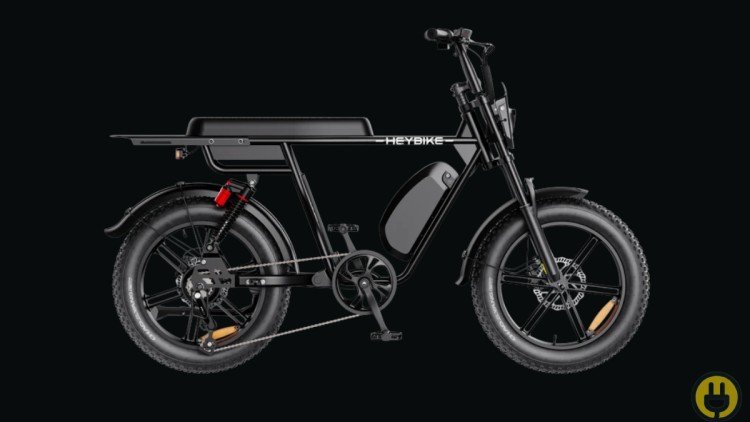
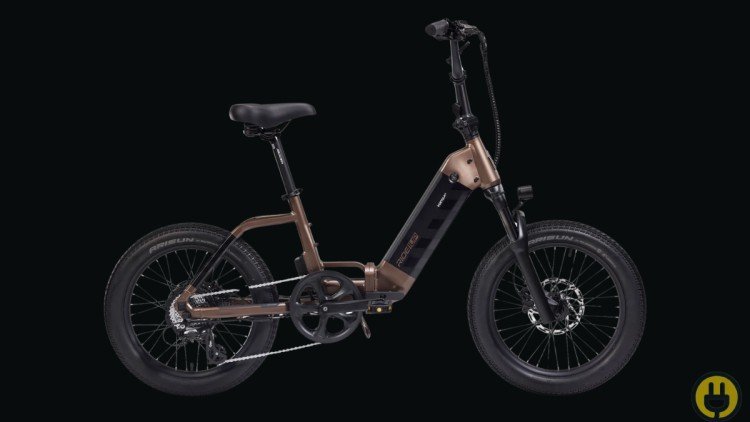
The Ride1Up Portola 02 is a folding electric bike from direct-to-consumer brand Ride1Up, designed for urban commuters and riders seeking a compact, storable e-bike with capable performance. It features a lightweight foldable alloy frame, a 750W geared hub motor with torque-sensing pedal assist, and a Class 1–3 speed range reaching up to 28 mph. Key differentiators include Ride1Up's Intui-Drive dual torque and cadence sensor system, a color display with iOS Find My tracking, integrated turn signals, and a 150-lb-rated rear rack, positioning it as a feature-rich option in the folding e-bike segment.