Most e-bikes advertise somewhere between 20 and 60 miles of range, which covers the average commute with room to spare but not much beyond it. This category is for the bikes built to go further: a 60-mile advertised range is where the market itself starts drawing the line between "standard" and "long range," and everything here clears that bar, some by a wide margin, with the biggest dual-battery setups pushing well past 100.
Getting there almost always comes down to one thing: a bigger battery. More watt-hours means more range, but it also means more weight on the frame and a higher price tag, so long-range bikes tend to run heavier and cost more than a standard commuter with a smaller pack. For a lot of riders that tradeoff is worth it: fewer mid-week charges, more room for an unplanned detour, and enough buffer that hills, cold weather, or a heavier rider don't turn a comfortable range into an anxious one.
That said, be aware that advertised range is almost always tested under close-to-ideal conditions, flat roads, the lowest assist setting, a lighter rider. Real-world range typically comes in 20 to 50 percent below the advertised figure once you factor in hills, wind, cargo, and a normal mix of assist levels. A bike advertised at 80 miles might realistically deliver 45 to 65 in everyday riding. That doesn't make the number meaningless, it's still the best way to compare bikes against each other, just treat it as a ceiling rather than a guarantee.
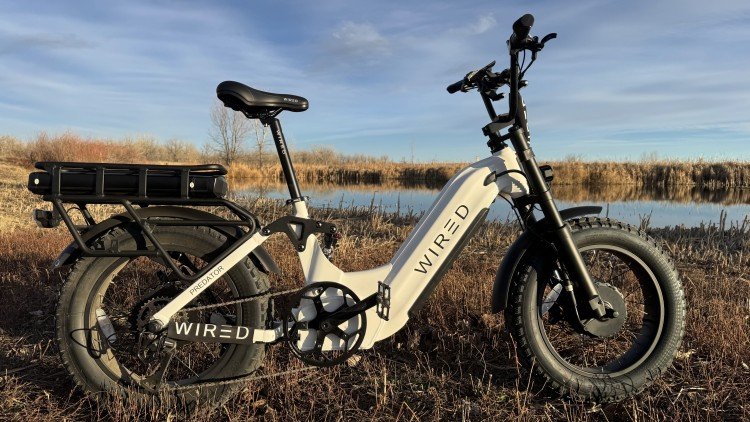
The Wired Viper is an exceptionally high-performance 20x4 fat tire eBike that blurs the line between a traditional bicycle and an electric motorcycle. Featuring massive 72V 35Ah batteries and a dual-motor system capable of an 8,000W peak output, this "compact monster" can reach speeds of over 55 mph with acceleration so aggressive it can easily trigger wheelies. Despite its raw power, the bike offers a premium and stable ride thanks to high-end components like an Exsho Cowboy dual crown fork, 4-piston hydraulic brakes, and a highly customizable display that allows riders to tame the motor behavior. While it is likely too heavy and "unhinged" for beginners or casual commuters, the Viper stands out as a top-tier choice for adrenaline seekers who want maximum torque and long-range performance in a smaller, step-through frame.

The 2024 Urtopia Carbon Classic is a lightweight urban and recreational electric bike built around an aerospace-grade Toray™ carbon fiber frame, which Urtopia states is approximately 50% lighter than comparable aluminum frames. It is positioned as a versatile cruiser-style e-bike suited for commuting and leisure riding, offering both pedal assist and thumb throttle modes alongside a torque sensor for a more natural ride feel. Key differentiators include the full carbon fiber frame and fork, a removable UL 2271-certified Samsung battery, and an adjustable handlebar designed to accommodate a wide range of rider heights and riding positions.
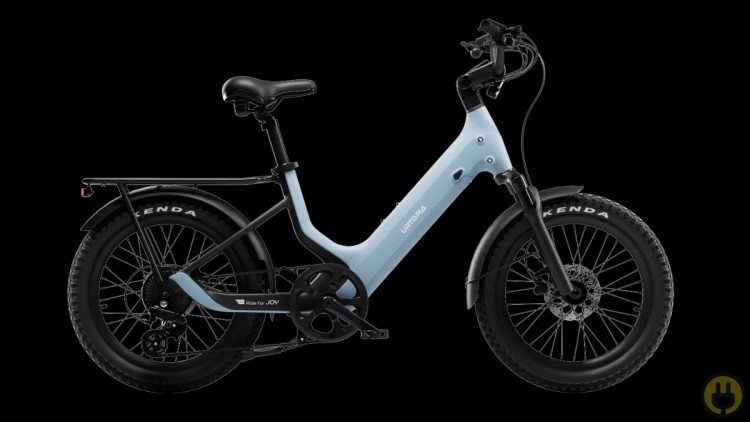

The 2024 Urtopia Carbon 1 Step-Thru is a lightweight electric bike built around a full carbon fiber frame and fork, positioning it as an accessible, low-step option for commuters and everyday riders who prioritize ease of mounting and reduced weight. At 36 lbs, it sits in the premium lightweight e-bike segment and distinguishes itself with an integrated "Smartbar" handlebar unit featuring 4G connectivity, GPS, fingerprint unlock, and an AI assistant. The bike is designed for a range of surfaces—from urban streets to light gravel—and targets riders seeking a blend of smart technology, comfort-oriented geometry, and practical daily usability.


The Mokwheel Asphalt is a performance-oriented urban commuter e-bike from Mokwheel, designed for riders seeking a more capable daily ride on city streets and light mixed terrain. It is powered by a 500W continuous (860W peak) motor paired with dual torque and cadence sensors for responsive pedal assist, and is built around a 6061 aluminum alloy frame with hydraulic disc brakes and front suspension. The Asphalt comes equipped with commuter-ready features such as a Shimano 7-speed drivetrain, integrated lighting, a rear rack, and full fenders, and is available in multiple colorways and frame styles.

The Mokwheel Scoria is a 20-inch fat tire electric bike from Mokwheel, positioned as a versatile, compact option for riders seeking a balance of performance and maneuverability. It is designed for a wide range of use cases including urban commuting, errands, cargo hauling, and light off-road exploration, and is marketed as accessible to both beginners and experienced riders. Key differentiators include a 750W motor with 90Nm+ torque, a high-capacity 48V 19.6Ah battery rated for up to 80 miles of range, an IPX6 full-bike waterproof rating, and an integrated rear shelf for cargo carrying.


The Mokwheel Obsidian 2.0 is a full-suspension, off-road electric bike from Mokwheel designed for riders seeking capable performance on rugged terrain. It is built around a 1300W mid-drive motor, full suspension system, and 26×4" fat tires, positioning it toward the more powerful and trail-focused end of the e-bike market. The bike is aimed at riders tackling technical trails, steep climbs, and varied surfaces, though the brand notes its balanced geometry also makes it approachable for newer riders. It is sold through Mokwheel's direct channel and select retail locations.

The Mokwheel Flint is a lightweight urban electric bike from Mokwheel, designed primarily for city commuting and everyday riding. Built around a 6061 aluminum alloy frame, it weighs 36 lbs and is positioned as a nimble, efficiency-focused option for riders seeking a balance of performance and portability. The Flint features a dual torque-and-cadence sensor system, Shimano 8-speed gearing, Logan hydraulic disc brakes, and a UL-certified battery rated for up to 70 miles of range. It competes in the commuter e-bike segment for riders who prioritize a lighter, quieter ride experience.