E-bike access rules are not one national standard right now, they're a patchwork that changes by state, by city, and often by the individual trail or park you're riding. A bike that's legal on the road might be banned on a nearby mountain bike trail. A trail that welcomed Class 1 e-bikes last year might still be closed to Class 2 and Class 3 this year. Multi-class configurable bikes exist to handle exactly that mess: one physical bike that can be genuinely switched between Class 1 (pedal assist only, capped at 20 mph), Class 2 (throttle-enabled, capped at 20 mph), and Class 3 (pedal assist to 28 mph, no throttle), rather than being locked into whichever class it shipped in.
That flexibility has gotten more useful, not less, as access rules keep splitting apart by class. Some of the newest trail expansions are Class 1 only, some state parks limit paved paths to Class 1 and Class 2 while excluding Class 3 entirely, and national parks generally don't recognize Class 2 or Class 3 as e-bikes at all. A rider who wants to hit a Class-1-only trail on Saturday and use full Class 3 assist for a Monday commute doesn't need two bikes if the one they own can legitimately do both.
At the end of the day, there is some scrutiny to discuss. Regulators have started paying closer attention to bikes marketed around "unlocking" extra speed rather than genuinely switching between compliant class settings, and at least one state has written that distinction directly into a 2026 law update. The honest use case here is accurate reconfiguration, dialing the bike down to match a trail's posted class requirement or up to a road's legal ceiling, not a workaround for exceeding limits altogether. Some trail systems also expect a bike's current class to match its factory documentation or label, so if you're riding a configurable bike, it's worth actually setting it correctly for wherever you're headed, not just leaving it maxed out by default.

The Velotric Tempo is one of the most unique lightweight city ebikes we’ve tested, combining an experience that feels natural with smart features such as Pulse Mode heart-rate training. In this review, we test the ride, tech, and real-world performance to see if this is the best lightweight commuter ebike you can buy right now.
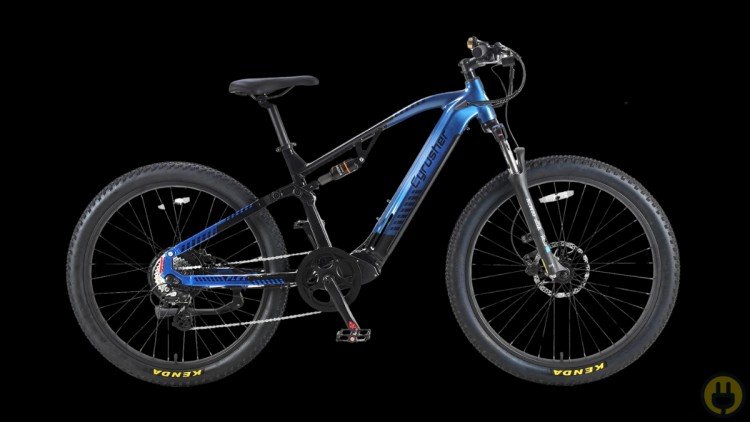
The 2025 Cyrusher Flex is a step-over commuter and light trail e-bike from Cyrusher Sports, positioned as a versatile option for riders seeking a balance between urban practicality and off-road capability. It features a 750W rear hub motor, dual torque and cadence sensor assist modes, and front and rear suspension, setting it apart from more purely city-focused commuter bikes in its class. The Flex is built around 27.5" x 2.6" tires and an upright ergonomic riding position, targeting everyday commuters and recreational riders who want a single bike adaptable to varied terrain.
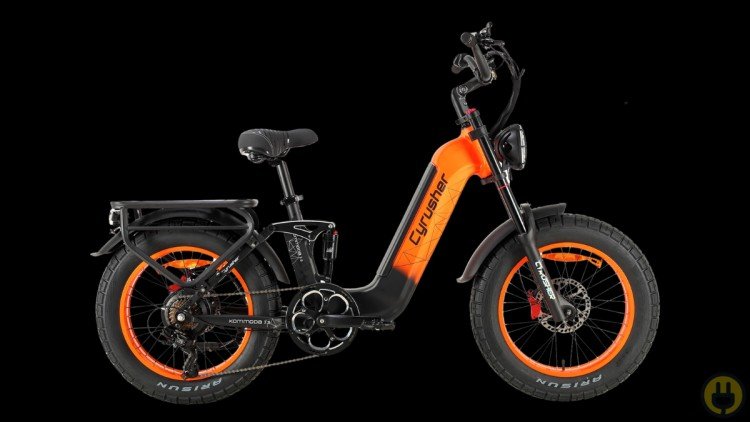
The 2025 Cyrusher Kommoda 3.0 is a step-through electric bike designed for riders prioritizing comfort and accessibility across a range of everyday and light off-road conditions. It is the third iteration of Cyrusher's Kommoda line, updated for 2025 with a revised frame, upgraded fat tires, and a torque-sensing pedal assist system aimed at delivering a more natural riding feel. The low step-through frame and upright geometry make it broadly accessible, positioning it as an option for commuters and recreational riders who want all-terrain capability without sacrificing ease of use.
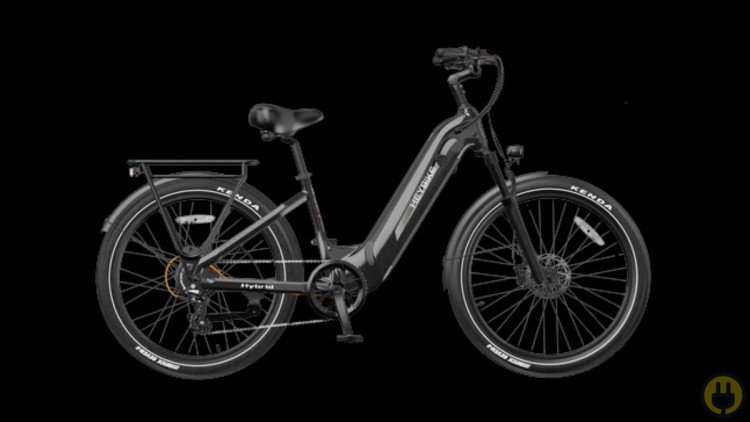
The Heybike Hybrid is a long-range electric commuter bike designed for riders who need versatility across daily commutes and extended rides. Built around a 750W motor and a large-capacity 864Wh battery, it targets urban and mixed-use cyclists who prioritize range and utility, with a claimed maximum range of up to 100 miles. Key differentiators include a dual torque-and-cadence sensor system, hydraulic disc brakes, a high 440 lb payload capacity, and UL 2849 certification for the whole bike. Integrated front and rear lighting with turn signals, a rear rack, and fenders round out its commuter-focused feature set.
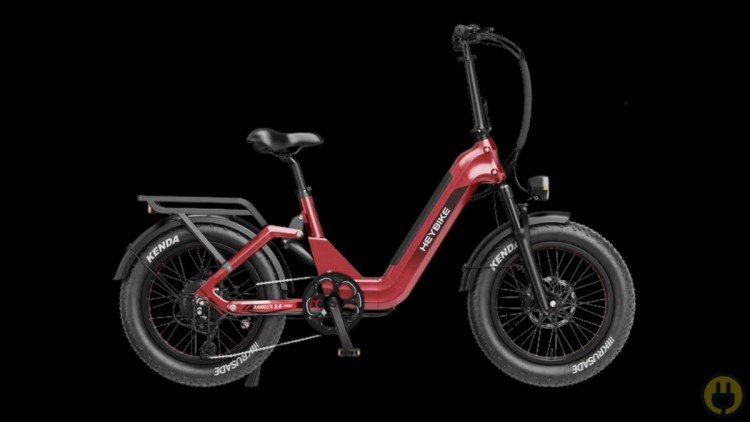
The Heybike Ranger 3.0 Pro is a folding fat-tire electric bike positioned as the brand's flagship comfort-oriented model, designed for riders seeking a versatile e-bike capable of handling varied terrain. It targets commuters and recreational riders who want the packability of a folding frame combined with full suspension and a long-range battery. Key differentiators include a torque sensor, full suspension system (hydraulic front fork and adjustable rear air shock), and a step-thru folding frame built around a hydroformed aluminum alloy construction.
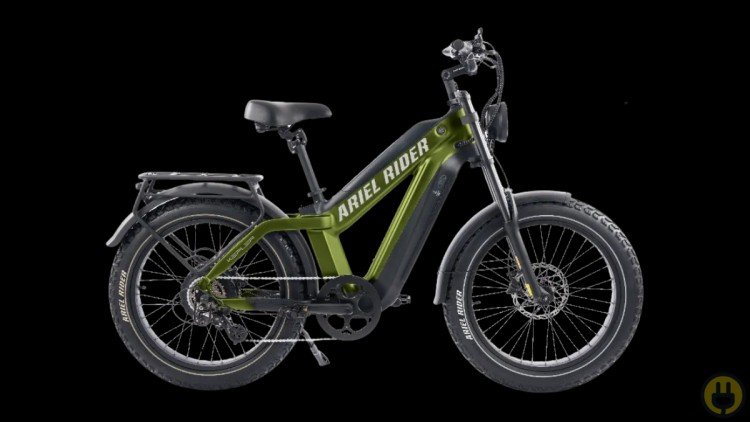
The Ariel Rider Kepler Dual-Battery is a long-range electric fat-tire bike from Ariel Rider Ebikes, designed for riders who prioritize extended range and versatile urban or mixed-terrain commuting. It comes standard with two integrated batteries rather than requiring aftermarket additions, and supports both torque and cadence assist modes that riders can switch between. Key differentiators include a dual-crown front suspension fork, 4-piston hydraulic disc brakes, integrated lighting with turn signals, and Apple Find My compatibility, positioning it as a feature-rich option in the commuter and long-range e-bike segment.
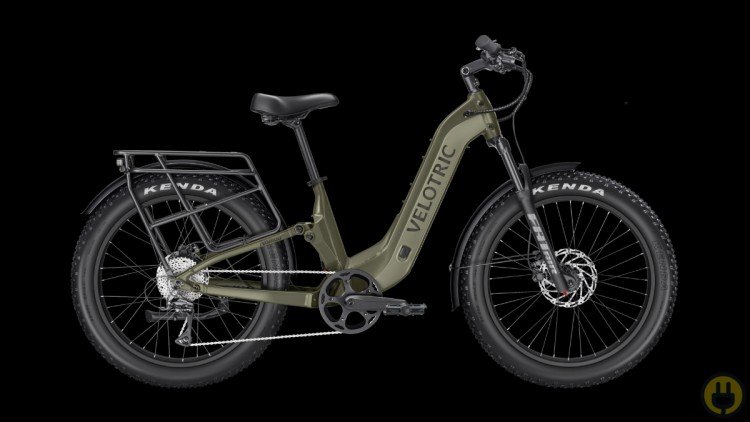
The Velotric Nomad 2X is a full-suspension fat tire electric bike from Velotric, positioned as the brand's flagship all-terrain model and an upgrade over the Nomad 2. It is designed for riders who want to tackle varied and challenging surfaces — including sand, snow, mud, and rocky trails — with a combination of a 120mm front air fork, rear air suspension, and 4-inch fat tires providing the key mechanical differentiation. The bike is available in both step-thru and high-step frame configurations and features Velotric's SensorSwap system, which allows riders to switch between torque and cadence sensing modes.
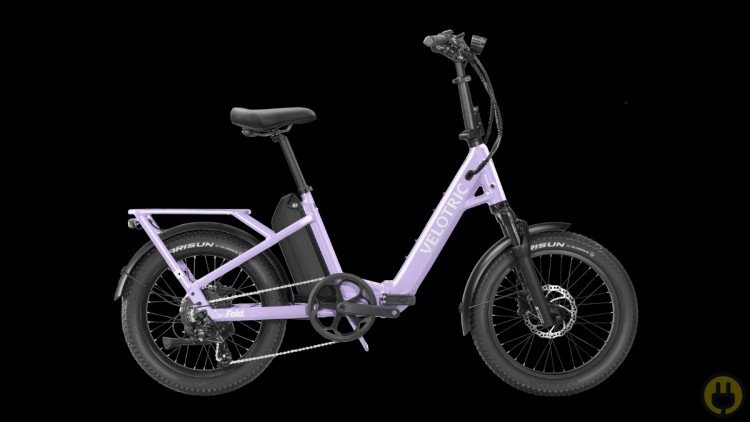
The Velotric Fold 1 Plus is a folding electric bike from Velotric designed for urban commuters and riders who need a compact, storable option without sacrificing capability. It targets city and mixed-terrain use, featuring a low step-through frame, wide all-terrain tires, and front suspension for everyday versatility. A notable differentiator is Velotric's proprietary SensorSwap™ system, which lets riders toggle between torque and cadence pedal sensing with a single click, catering to both fitness-focused and casual riding styles. The bike is UL-certified and carries an IPX-rated weather resistance rating.
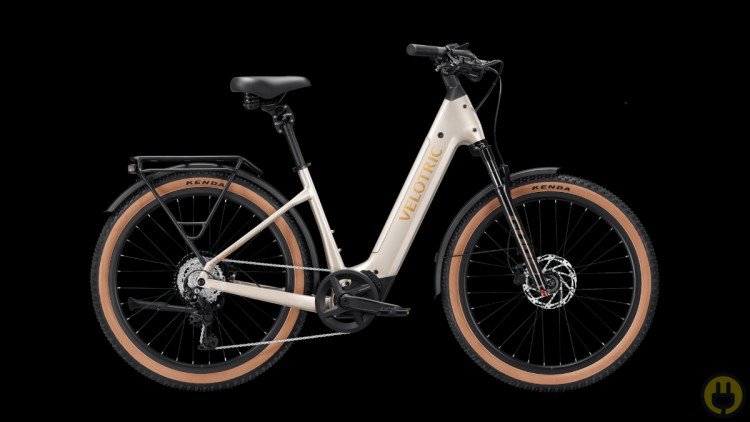
The 2025 Velotric Discover M is a mid-drive electric bike from Velotric, built around the brand's proprietary VeloCore™ mid-drive motor system, which is designed to deliver a more natural pedaling feel with improved balance and efficiency compared to hub-drive alternatives. It targets riders seeking a capable, everyday e-bike with a step-through frame, available in two sizes and two colors. Key differentiators include a dual torque-and-cadence sensor, an air suspension fork, a color display with NFC unlock and Apple Find My support, and a 9-speed Shimano Cues drivetrain—positioning it toward the more feature-rich end of the consumer mid-drive segment.
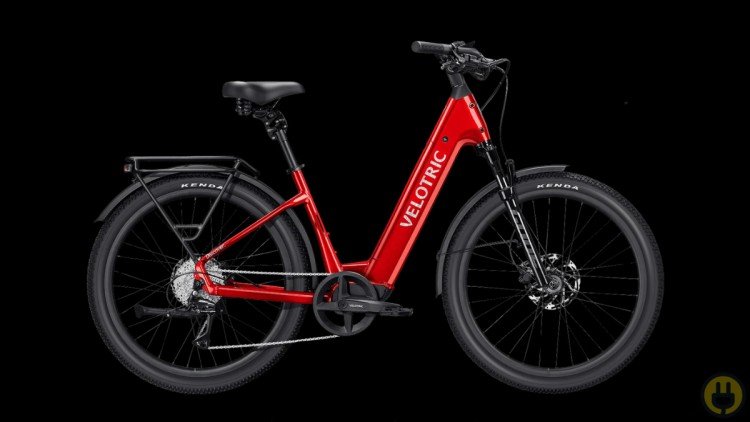
The 2026 Velotric Discover 3 is a step-through comfort commuter e-bike positioned as the next generation of Velotric's best-selling Discover line. It targets everyday riders seeking an upright, ergonomic riding experience, and is built around comfort-focused features including a suspension seatpost, air suspension fork, and the brand's third-generation ComfortMax saddle. The bike supports Class 1, 2, and 3 modes and comes equipped with Velotric's SensorSwap torque and cadence system, integrated lighting with turn signals, and app connectivity including Apple Find My and NFC unlock.
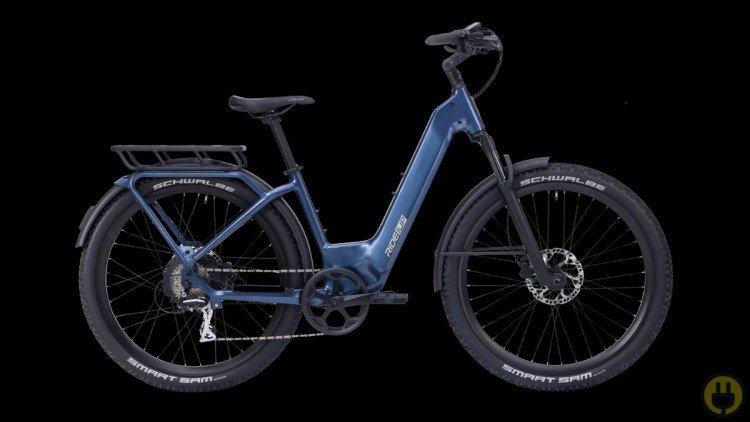
The Ride1Up Vorsa is a Class 1–3 electric bike designed for everyday versatility, offering a modular, SUV-inspired frame with a 440-pound payload capacity and multiple configuration options including standard, lite, and fat-tire variants. It targets riders seeking a customizable, multi-use e-bike capable of handling both urban commuting and more varied terrain, with a range of 30–60 miles per charge. Key differentiators include a dual torque-and-cadence pedal assist system developed in partnership with MIVICE, a 750W hub motor with 95Nm of torque, and a semi-integrated modular rear rack rated to 150 pounds, positioning it as a utility-forward option in the mid-range e-bike market.
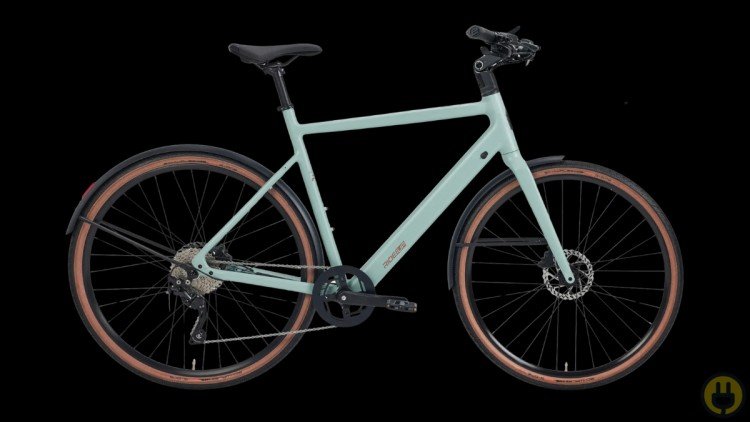
The 2024 Ride1Up Roadster V3 is a lightweight, urban-oriented electric bike from direct-to-consumer brand Ride1Up, designed as an updated iteration of the popular Roadster V2. It targets riders seeking a clean, minimalist aesthetic with capable performance, and is available in both single-speed belt-drive and 9-speed chain-drive configurations. A key differentiator is its Intui-Drive torque sensor system—developed by engineers with BOSCH eBike experience—which aims to deliver a more natural, responsive pedal-assist feel compared to cadence-sensor alternatives. The Roadster V3 is a Class 1–3 e-bike with a 500W hub motor and a range of approximately 20–40 miles per charge.