
A versatile, portable vacuum that tackles both wet spills and dry debris with no cords and little hassle. Ideal for garages, workshops, vehicles, and around the home (especially if you have little kids).
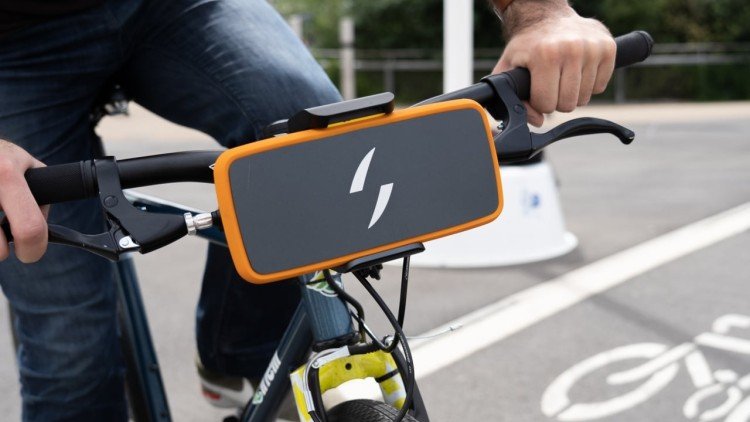
Electric bike conversion kits can be added to a normal pedal bicycle to convert it to an e-bike. Most kits can be installed in 1-2 hours with basic tools, but more premium kits may require more complicated assembly. Conversion kits are typically much cheaper than buying a fully featured e-bike, especially if you already have a regular bicycle! However, there are these downsides to be aware of:
- E-bikes are built to be more durable than regular bikes, because e-bikes travel faster and weigh more. Your regular bicycle might not be up to the task of running electric.
- The integration of the electronics won't be nearly as smooth or include as many features as buying a fully featured e-bike.
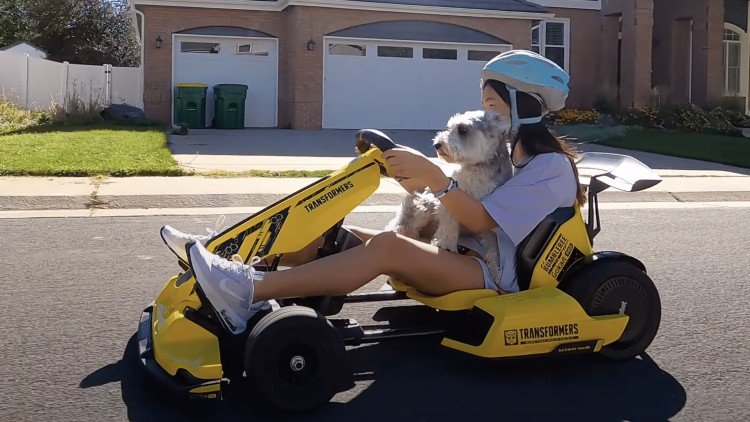
Electric go-karts are battery-powered recreational vehicles designed for racing, leisure driving, and skill development. Unlike traditional gas-powered models, electric versions rely on electric motors and rechargeable battery systems to deliver power. They typically offer smooth acceleration, low maintenance requirements, and quiet operation, making them suitable for both indoor and outdoor use. Many models include adjustable speed settings, regenerative braking, and safety features such as seatbelts, roll bars, or parental control limiters.
These vehicles are commonly used in racing facilities, amusement parks, and personal recreational settings. They appeal to both beginners and enthusiasts seeking a controlled and environmentally friendly driving experience. With advancements in battery technology and performance tuning, electric go-karts have become capable of high speeds and consistent torque, bridging the gap between casual fun and competitive motorsport training.

An EV golf cart is a battery-powered, zero-emission vehicle originally designed for golf courses, but are now heavily used for neighborhoods, large campuses, and leisure. Modern versions are essentially mini electric cars, often reaching up to 25 mph and featuring automotive-grade technology.
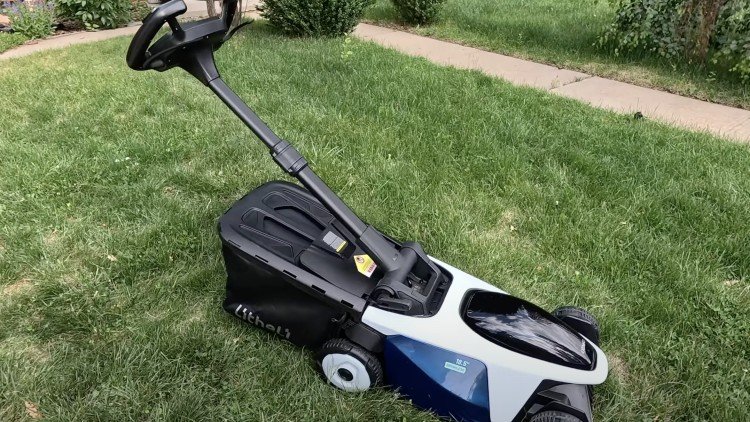
Standard human-operated mowers (not robotic) that are powered by electricity instead of gas! In addition to the "green factor", electric motors have an added benefit of operating much more quietly than their gas-powered competitors, allowing you to mow during quiet hours.
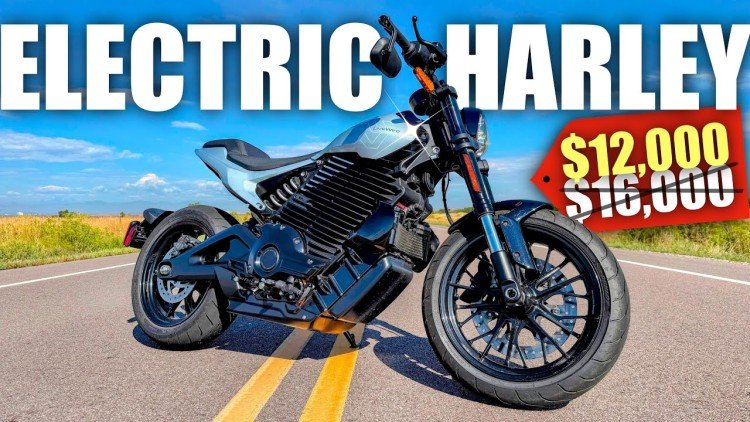
An electric motorcycle is a two-wheeled motor vehicle powered by an electric motor and rechargeable battery system rather than an internal combustion engine. In place of traditional fuel and transmission components, electric motorcycles use onboard battery packs that are charged via external power sources, delivering power directly to the drivetrain. Performance characteristics such as range, power output, and charging time vary by model and battery capacity. Electric motorcycles are subject to the same licensing, registration, and road use regulations as conventionally powered motorcycles in most jurisdictions.
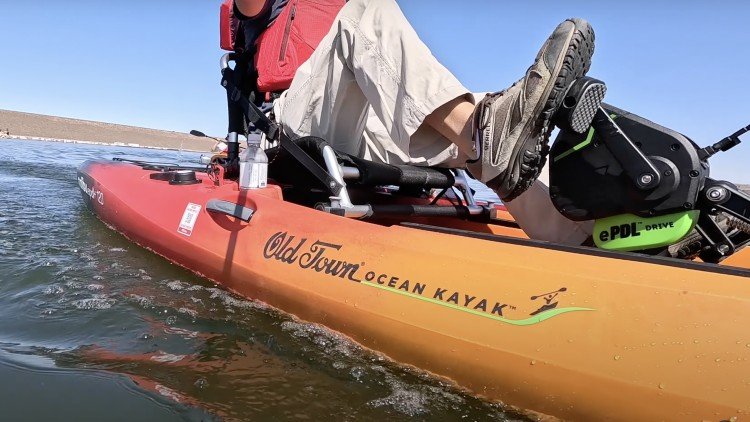
Electric pedal kayaks combine traditional pedal-driven propulsion with an integrated electric motor system, offering users multiple ways to move through the water. These kayaks typically feature a hands-free pedal drive for mechanical motion, while the added motor provides supplemental or alternative power. Many models include variable speed controls, rechargeable batteries, and displays for monitoring range or performance. The electric assistance can reduce physical effort, especially during long distances, strong currents, or windy conditions.
These kayaks are often used for recreational paddling, fishing, wildlife observation, and touring. They appeal to users who want versatility, extended range, and reduced fatigue without sacrificing maneuverability or control. With growing interest in accessible, eco-friendly watercraft, electric pedal kayaks offer a hybrid approach that expands usability while maintaining the quiet, low-impact characteristics of traditional kayak designs.

Electric snowboards are motorized snow-riding devices designed to combine traditional snowboard performance with powered propulsion. They typically feature an integrated electric motor, drivetrain, and rechargeable battery system that provide forward movement without relying solely on gravity or downhill slopes. Many models include handheld remote controls for adjusting speed, acceleration, and braking, while others may feature onboard sensors or ride-assist modes. Some designs use continuous tracks similar to a mini snowmobile, while others are closer in form to a standard snowboard with subtle embedded tech components.
These boards are commonly used for recreational riding, backcountry exploration, or practicing snowboard skills on flatter terrain where traditional snowboards would lose momentum. They appeal to riders who want greater flexibility, extended ride time, or the ability to travel uphill or across varied snow conditions. As battery life, motor efficiency, and durability continue to improve, electric snowboards are becoming a distinct category of winter sports equipment, offering a novel blend of convenience, versatility, and adrenaline-focused design.
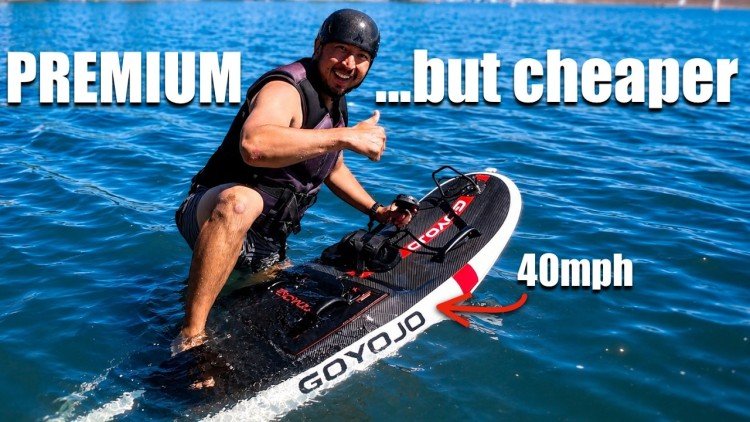
Electric surfboards are motorized personal watercraft designed to provide powered surfing without relying on waves or wind. They typically feature an integrated electric propulsion system, rechargeable lithium-ion battery, jet drive or propeller-based drivetrain, and a wireless handheld throttle that allows riders to control acceleration and speed while gliding across the water. Many models incorporate lightweight carbon fiber or composite construction, advanced battery management systems, multiple riding modes, and safety features such as automatic shutoff mechanisms and flotation-enhancing designs. Performance varies by model, with differences in top speed, ride time, weight capacity, and intended riding environment.
These boards are commonly used for recreational riding on lakes, rivers, bays, and coastal waters, as well as for watersports training and high-performance riding. They appeal to beginners seeking an accessible introduction to surfing and experienced riders looking for greater speed, maneuverability, and the ability to ride in calm water conditions where traditional surfing is not possible. As battery technology, electric propulsion systems, and lightweight materials continue to improve, electric surfboards are becoming an increasingly popular category of personal electric watercraft, offering a unique combination of innovation, versatility, and on-water excitement.
-medium.jpg)
Electric utility vehicles (UTVs) are side-by-side electric workhorses built for hauling, towing, and tackling terrain that traditional passenger vehicles cannot. Designed for farms, job sites, large properties, and off-road use, they prioritize payload capacity, towing capability, and durability over speed. Unlike electric cars or consumer off-road vehicles, UTVs are purpose-built tools evaluated on torque, range under load, ground clearance, and real-world work performance.
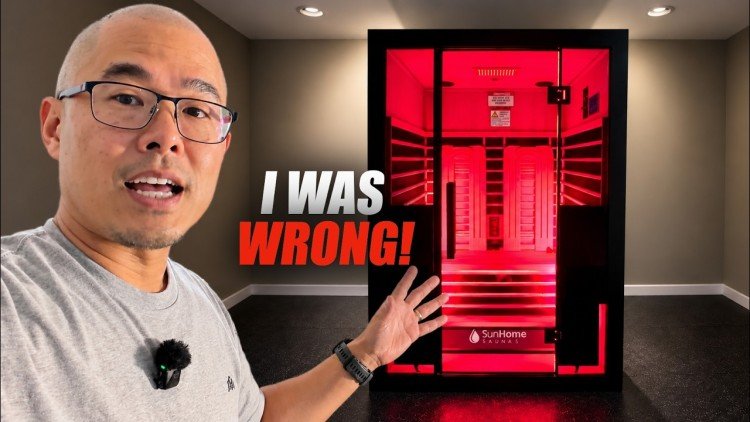
A home sauna is a dedicated heat therapy enclosure designed for personal or small-group use on residential property, indoors or outdoors. Home saunas are evaluated on heat source, maximum temperature, warm-up time, capacity, construction material, and ease of installation. The three most common heat sources are traditional electric heaters, which use a stone-loaded element to generate dry heat and allow water to be poured over the stones for steam; infrared panels, which heat the body directly rather than the surrounding air and typically operate at lower ambient temperatures; and wood-burning stoves, which are favored by purists for their authentic feel but require more maintenance and ventilation planning. Construction materials range from cedar and hemlock for traditional builds to tempered glass and composite panels in more modern designs. Installation requirements vary significantly depending on heat source and size, with most electric and infrared units requiring a dedicated 240V circuit at minimum.
-medium.jpg)
A Hybrid Board Cross (HBX) is a category of personal electric vehicle that combines elements of an electric bike, skateboard, and board sport equipment into a single platform. The category is defined by a handlebar and front wheel assembly for steering paired with a standing deck, typically constructed from bamboo or carbon fiber, and supported by an aluminum alloy independent suspension truck system. HBX vehicles are designed for carving and drifting motions and feature a Style Selector system that toggles between a free floating caster wheel configuration and a locked caster wheel configuration for varying levels of rider control. The category is distinct from standard two wheeled electric scooters in its emphasis on board sport style movement over conventional upright scooter riding dynamics.