

Related Reviews
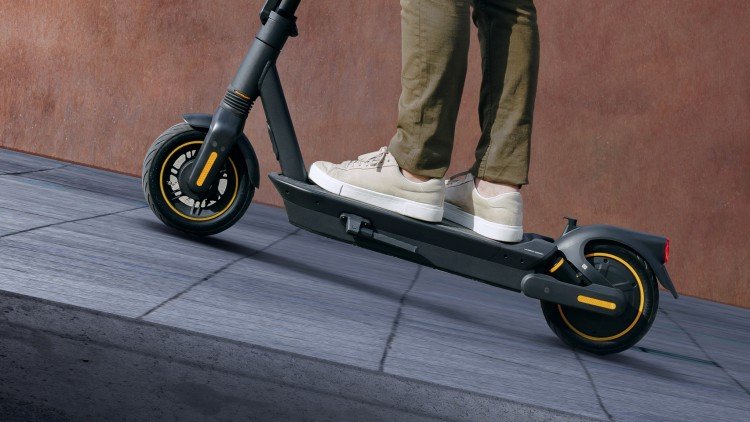
The Segway Max G2 builds on its predecessor with an extended range of up to 43 miles, front and rear suspension, a powerful rear motor, and 10-inch self-healing tires. Featuring a 551 Wh battery and robust 265 lb weight capacity, it's a dependable, durable commuter scooter—though its weight and price prioritize longevity and performance over absolute portability or affordability.
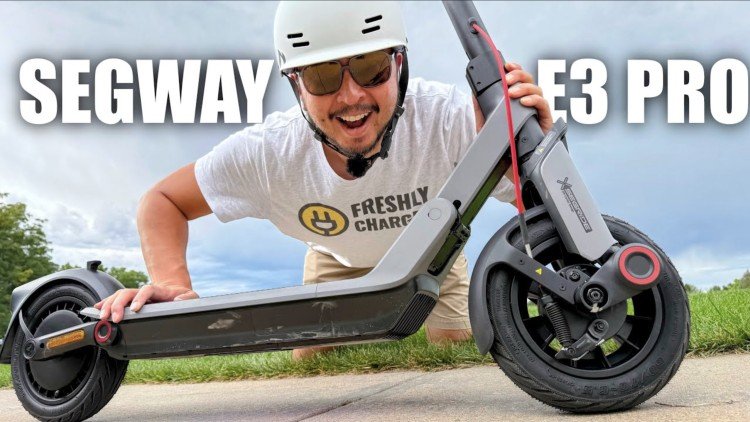
The Segway E3 Pro is a lightweight, affordable commuter scooter packed with modern features—elastomer suspension, Apple Find My, customizable lighting, and turn signals—all at just 40 pounds. With a sleek design, refined ride comfort, and robust tech, it’s a standout choice under $700, ideal for new riders and daily commuters. For Segway's next scooter, definite improvements would be range and water resistance.

The NAVEE V50 is a budget commuter scooter with a unique handlebar folding mechanism Jimmy and Andrew have never seen before — the handlebars rotate and lock directly into the steering pole, creating a slim, rigid folded profile. Beyond that standout feature, the V50 delivers disc brakes, a sharp landscape display, IP55 water resistance, and a hidden AirTag slot. The criticism list is short but honest: the display scratches easily, the app is a repurposed smart home platform that feels out of place, and the tubed tires are more flat-prone than tubeless alternatives. For budget-conscious commuters who want the most portable, weather-ready scooter in the category, the V50 is well worth a look.
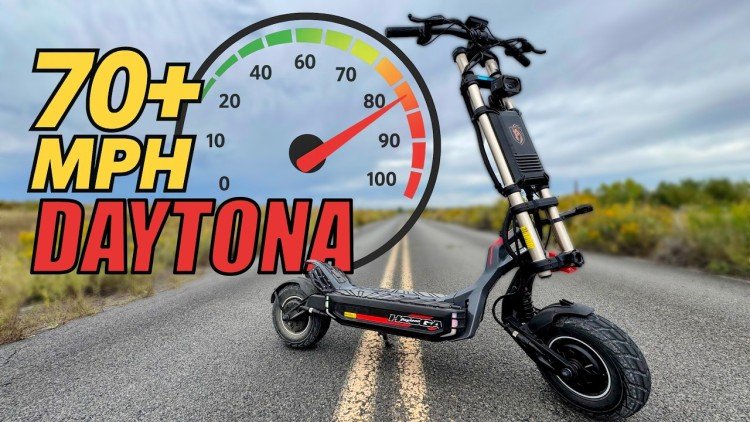
The Hooga Daytona is their flagship hyper scooter sold exclusively by VoroMotors, and we can confirm it earns the title. The Freshly Charged team hit 78 mph via Draggy, praised the four piston DOT hydraulic brakes as the best ever tested on an electric scooter, and found the suspension genuinely capable across both off road trails and highway speeds in the same session. At 152 pounds with a tool dependent fold, this is not a machine you carry up stairs, and buyers should plan real world range around 31 miles under aggressive conditions rather than the spec sheet maximum. The turn signals are too dim for daytime use on a scooter that can do 78 mph, and the included 4 amp charger taking 10 hours to fill a 40Ah battery is a miss at this price point. For the rider who wants the most capable high speed hyper scooter the team has tested — one that actually handles the speed rather than just reaching it — the Daytona makes a strong case, compromises and all.


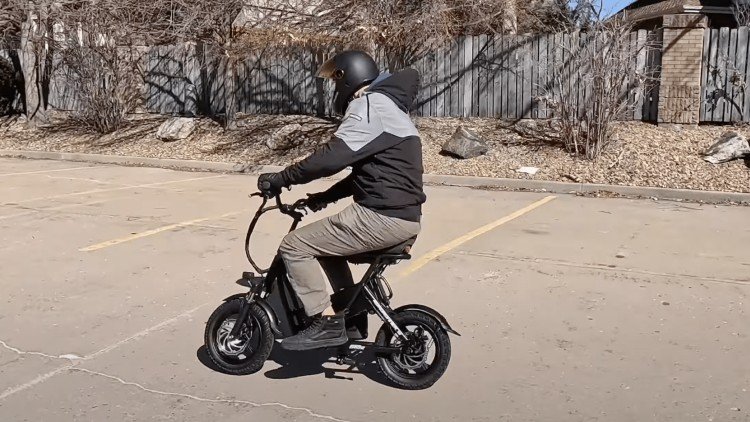
The EMOVE RoadRunner SE is Voro Motors' most affordable and practical PEV at $799, weighing just 30 lbs with premium features like a removable battery, robust security, and portability. While lacking rear suspension and power, it’s perfect for those seeking a lightweight, seated electric scooter with proven reliability and easy modifiability. Ideal for urban commuters.
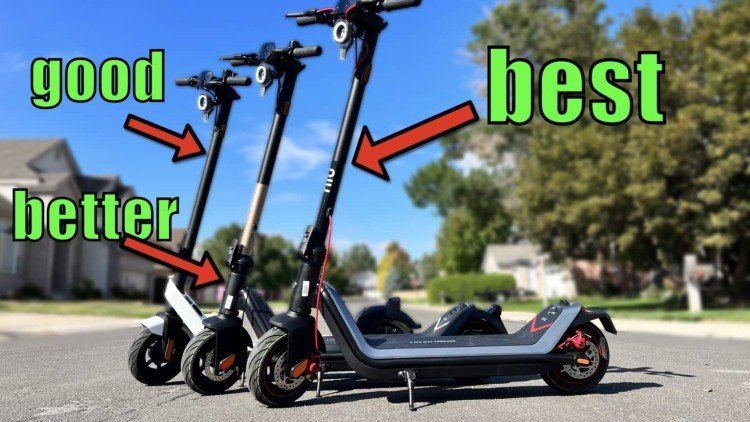
The NIU KQi3 Pro and KQi3 Max stand out as beginner-friendly, tech-packed commuter scooters with superior after-sales support compared to Segway Ninebot. Both models feature robust design elements, great app connectivity, and unique features like a halo headlight. While lacking suspension, their affordability, safety features, and excellent portability make them top picks for urban commuting.


The Gspace Mars GTR hits 70 mph in real-world testing, carries a 72V 45Ah Samsung-cell battery, and undercuts comparable hyper scooters by $200 to $800. The ride is stable, smooth, and genuinely fast. The criticisms are real, particularly the inadequate horn, the jumpy battery meter, and a below-par unboxing experience, but none of them change what the scooter delivers once you are on it. For riders who want top-tier speed and range without the top-tier price, the Mars GTR makes a strong case for itself.
No comments yet…