-large.jpg "AOVO PRO ES80 Electric Scooter")


Related Reviews
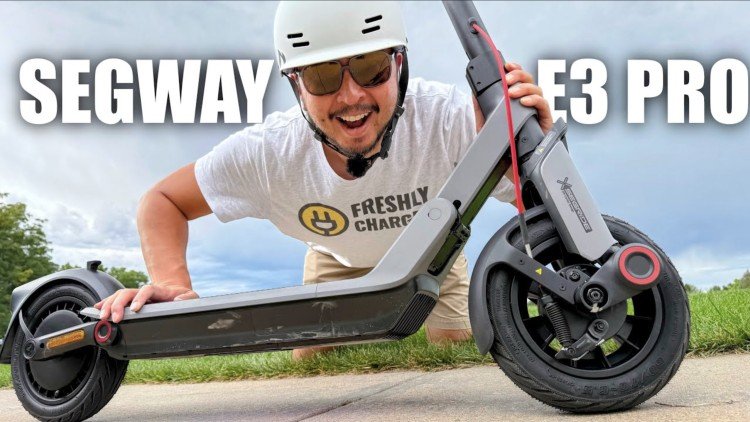
The Segway E3 Pro is a lightweight, affordable commuter scooter packed with modern features—elastomer suspension, Apple Find My, customizable lighting, and turn signals—all at just 40 pounds. With a sleek design, refined ride comfort, and robust tech, it’s a standout choice under $700, ideal for new riders and daily commuters. For Segway's next scooter, definite improvements would be range and water resistance.
-medium.jpg)
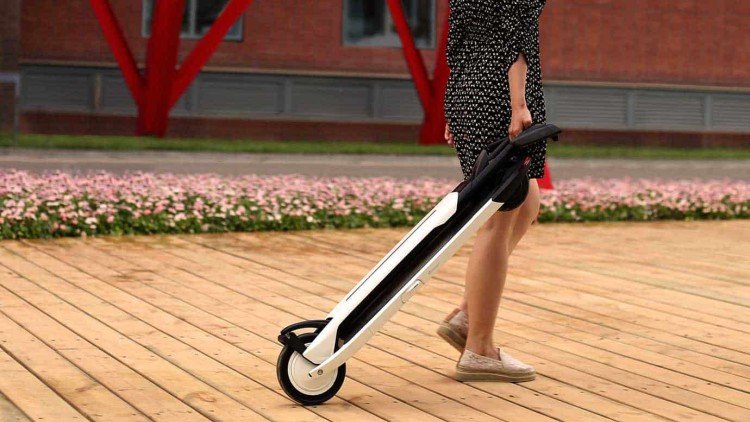
The NAVEE V50 is a budget commuter scooter with a unique handlebar folding mechanism Jimmy and Andrew have never seen before — the handlebars rotate and lock directly into the steering pole, creating a slim, rigid folded profile. Beyond that standout feature, the V50 delivers disc brakes, a sharp landscape display, IP55 water resistance, and a hidden AirTag slot. The criticism list is short but honest: the display scratches easily, the app is a repurposed smart home platform that feels out of place, and the tubed tires are more flat-prone than tubeless alternatives. For budget-conscious commuters who want the most portable, weather-ready scooter in the category, the V50 is well worth a look.
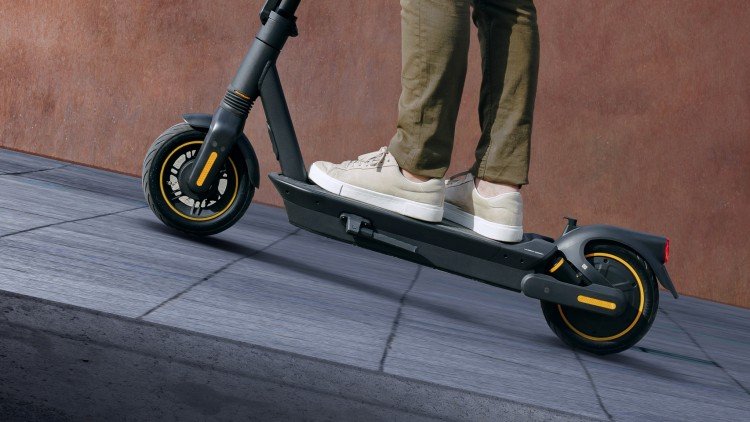
The Segway Max G2 builds on its predecessor with an extended range of up to 43 miles, front and rear suspension, a powerful rear motor, and 10-inch self-healing tires. Featuring a 551 Wh battery and robust 265 lb weight capacity, it's a dependable, durable commuter scooter—though its weight and price prioritize longevity and performance over absolute portability or affordability.
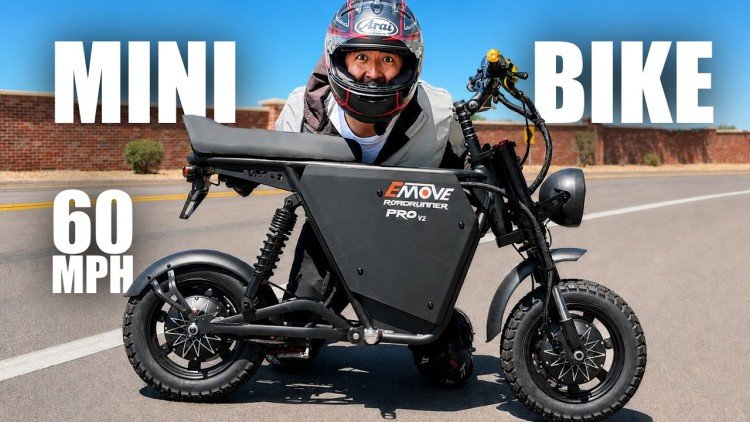
The EMOVE RoadRunner Pro V2 is a sit-down electric scooter capable of high speeds, and it fixes nearly every problem the original had: stronger frame, a 72V system upgrade, DOT motorcycle-grade brakes with 203mm rotors, stiffer suspension, and dramatically better high-speed stability. Andrew and Jimmy put it through the usual paces of Freshly Charged testing, including a brake test, side-by-side comparison with the V1, and a top speed run, coming away with a few criticisms. The V2 is heavier, pricier, and not without rough edges, but as a compact high-performance machine that can fly under the radar due to its small size, it made an impression in every way that counts.
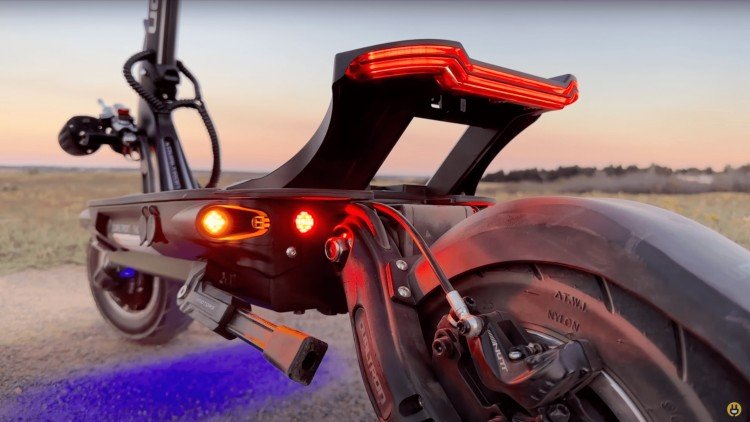
The Dualtron Thunder 3 elevates electric scooter performance with blazing speeds up to 64 mph, an impressive EY4 display, and advanced lighting features. Its high-tech upgrades and secure, stable build make it a thrill for enthusiasts; alhough short turbo duration, limited tire options, and lengthy charging times leave room for improvement. It's a standout ride for adrenaline seekers.
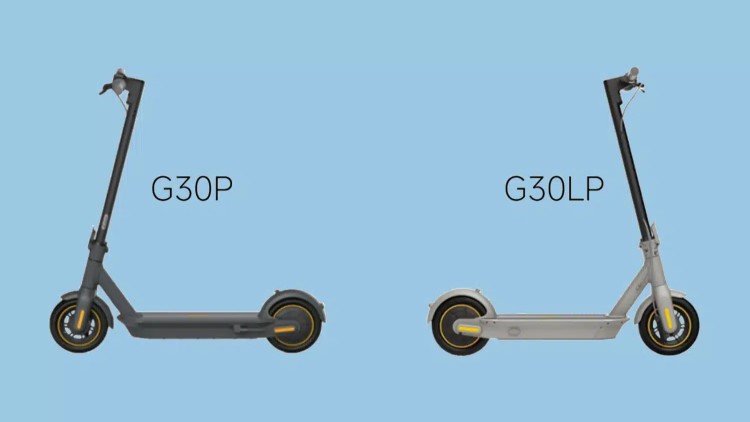
The Segway Ninebot Max G30LP offers a lighter, more affordable alternative to the standard G30P, delivering a 25-mile range, 18.6 mph top speed, and 350W motor. Its self-healing pneumatic tires and reliable braking ensure a smooth, safe ride. Ideal for budget-conscious commuters, the G30LP maintains quality and convenience for shorter urban travel.
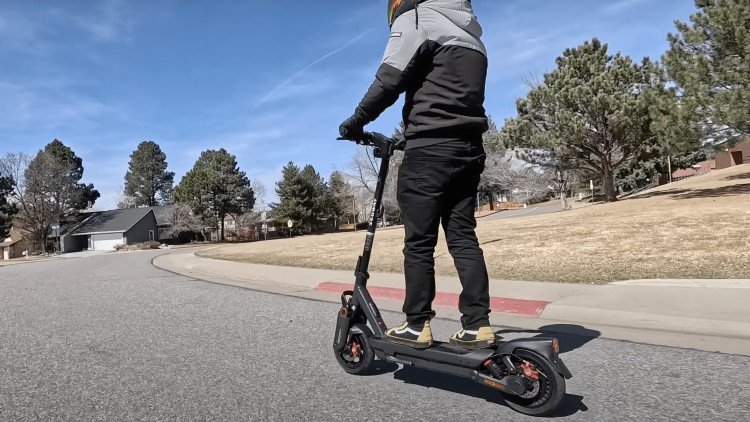
The Segway Max G3 is Segway-Ninebot’s latest electric scooter, offering notable upgrades over previous G2 and G30 models. With a top speed of 28 mph, up to 75 miles of range with an external battery, dual disc brakes, hydraulic suspension, and a vibrant TFT display, it’s one of 2025’s premier high-performance commuter scooters.
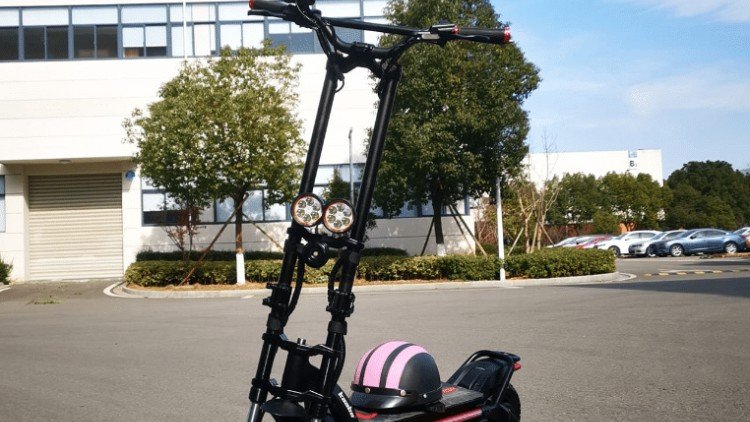
The Wolf Warrior X is a lighter, more compact evolution of the acclaimed Wolf Warrior 11+, retaining key features but adding updates like bright turn signals, customizable RGB undercarriage lights, and an improved folding mechanism. Sporting dual 1100W motors and nimble handling, it's ideal for city cruising, though less suited for off-roading or high-speed thrill seekers.
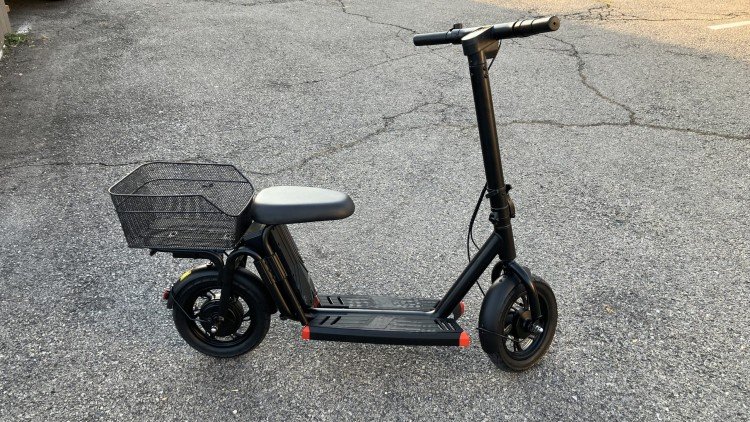
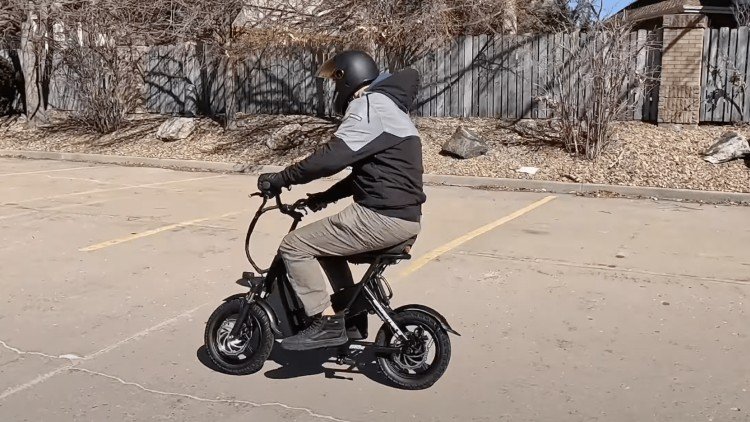
The EMOVE RoadRunner SE is Voro Motors' most affordable and practical PEV at $799, weighing just 30 lbs with premium features like a removable battery, robust security, and portability. While lacking rear suspension and power, it’s perfect for those seeking a lightweight, seated electric scooter with proven reliability and easy modifiability. Ideal for urban commuters.
No comments yet…