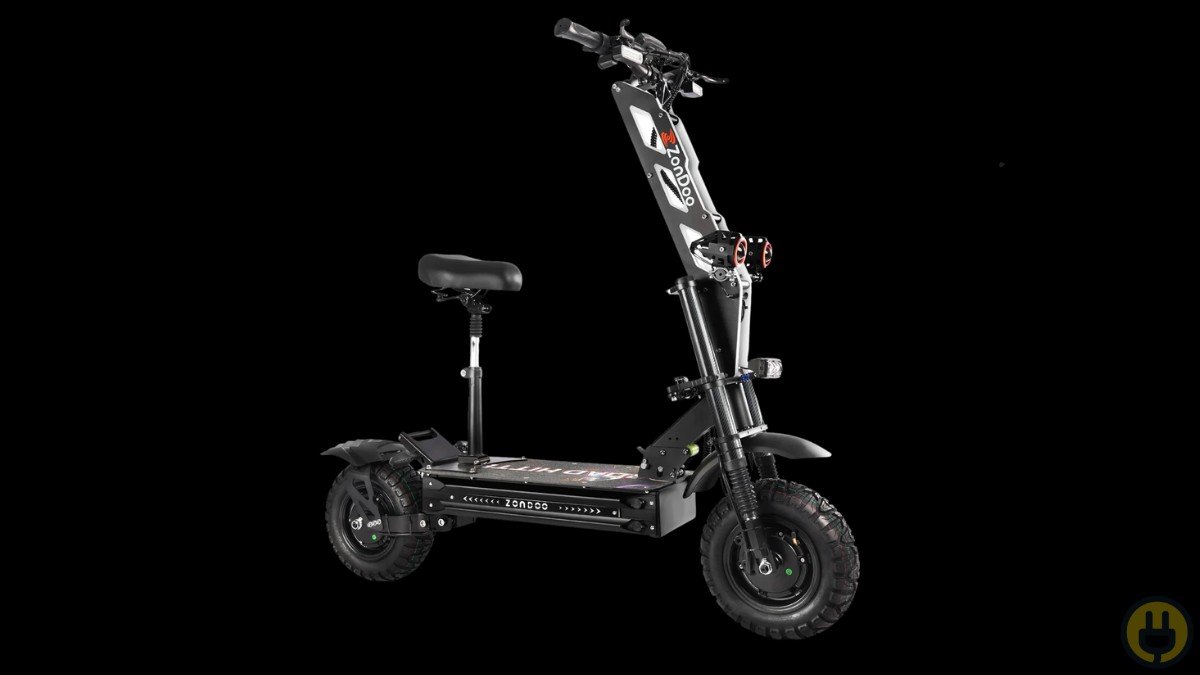
The Zondoo RoadHitter is a high-performance electric scooter from Zondoo Mobility, positioned within the brand's "Hyper Scooter" category and marketed toward riders seeking extreme speed and power. It is designed for enthusiasts rather than casual commuters, with the product page emphasizing its capability at the upper end of the performance scooter segment. Zondoo is a brand that also offers city commuter and off-road scooter models, as well as replacement parts, suggesting an established ecosystem for owners.



Related Reviews

The Teverun Tetra blurs the line between electric scooter and ATV, boasting four massive off-road tires, instant suspension adjustment, and impressive all-terrain capability. With standout features like a huge deck, hidden cables, and app integration, it also comes with drawbacks like tricky tight turns, maintenance needs, and limited light visibility. Ideal for adventurous, hands-on riders.

The NAVEE UT5 Ultra X is a flagship-tier electric scooter that makes a strong case for itself on build quality, ride stability, and smart feature integration, even if the price-to-battery ratio gives some buyers pause. Powered by dual 1,200W motors peaking at 4,800W combined, riding on 12-inch tubeless self-healing tires with hydraulic suspension and 130mm hydraulic disc brakes at both ends, it's a mechanically capable machine that proved itself in real-world testing, hitting a GPS-verified 42.9 mph and handling rough road surfaces at speed without drama. The app ecosystem is one of the better implementations in the segment, with adjustable traction control, regen braking tuning, scheduled charging, and Apple Find My all onboard. The gold colorway is genuinely sharp rather than gimmicky, the build is rattle-free and solid, and the UL certification adds a layer of safety credibility that matters at this price point. The weak spots are an outdated display, underwhelming headlight and horn, limited suspension travel, and a 22.3Ah battery that feels modest for a $2,499 ask. However, for riders cross-shopping the Kaabo Mantis who want something more structurally confidence-inspiring, the UT5 Ultra X is a compelling answer.

The Kaabo Warrior 11 Max takes everything that made the Wolf Warrior 11 Plus a landmark scooter and fixes most of the parts that frustrated owners for years: sine wave controllers, adjustable rear suspension, better tires, quick-release motor connectors, and a proper NFC color display. GPS-verified top speed came in at 49 mph with smooth, stable performance at the limit and strong off-road capability. The rear turn signals are too dim to be useful in daylight, the chargers are slow, and the folding latch pin remains a recurring weak point. At $200 over the Pro version, we believe the upgrades justify the ask.
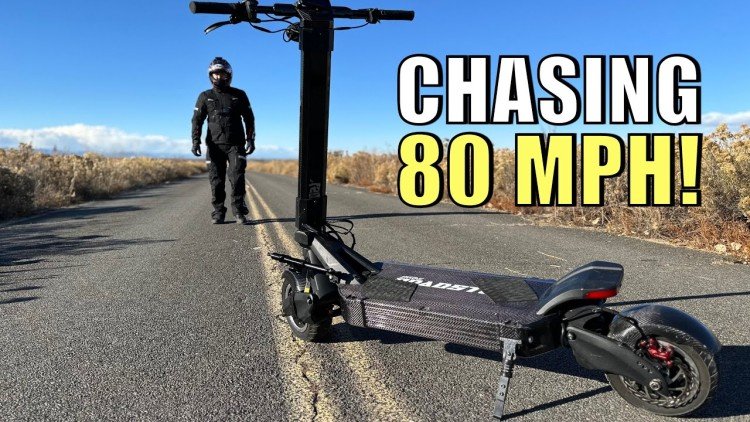
Andrew took the EMOVE Roadster — VoroMotors' fastest production electric scooter on the market — out for a GPS verified speed record attempt, targeting the 80 mph barrier. He did not break it, but he did tie his personal best of 74 mph on a modified unit that was not running its full production brake spec and on a runway that was not quite long enough to fully unwind the throttle. The machine itself was rock solid at speed, but the conditions were not ideal.
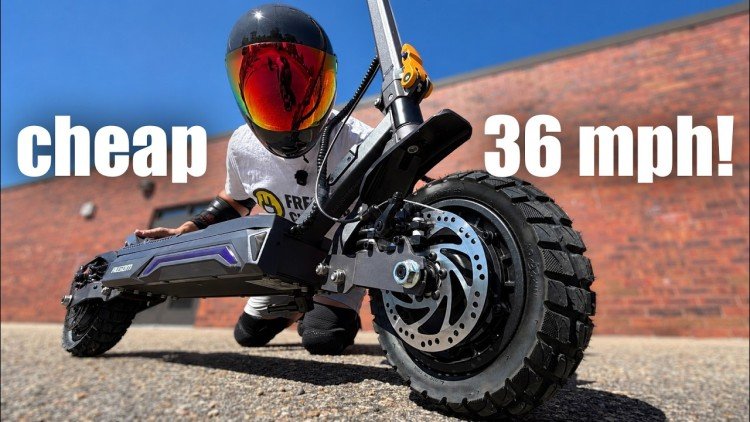
The Ausom GoSoul 2 Pro is a $799 dual motor scooter that actually hits its claimed 36 mph top speed — 36.5 mph GPS verified — making it the fastest electric scooter our team has tested at this price point. Andrew and Jimmy put it through extensive real world testing, covering everything from hill climbs, brake tests, and power slides, coming away impressed by the value packed into the price point: tubeless tires, NFC and PIN security, accurate display, and dual motor hill climbing capability that most scooters in this class simply cannot match. The criticism list is worth mentioning but very manageable — the center steering notch takes adjustment, the deck needs grip tape, and the turn signal button needs a redesign — but none of it changes the enthusiasm we have for this product.

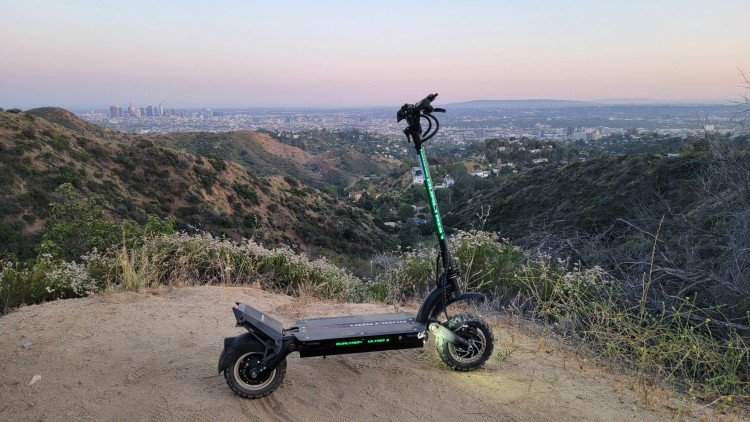




The Gspace Mars GTR hits 70 mph in real-world testing, carries a 72V 45Ah Samsung-cell battery, and undercuts comparable hyper scooters by $200 to $800. The ride is stable, smooth, and genuinely fast. The criticisms are real, particularly the inadequate horn, the jumpy battery meter, and a below-par unboxing experience, but none of them change what the scooter delivers once you are on it. For riders who want top-tier speed and range without the top-tier price, the Mars GTR makes a strong case for itself.
No comments yet…