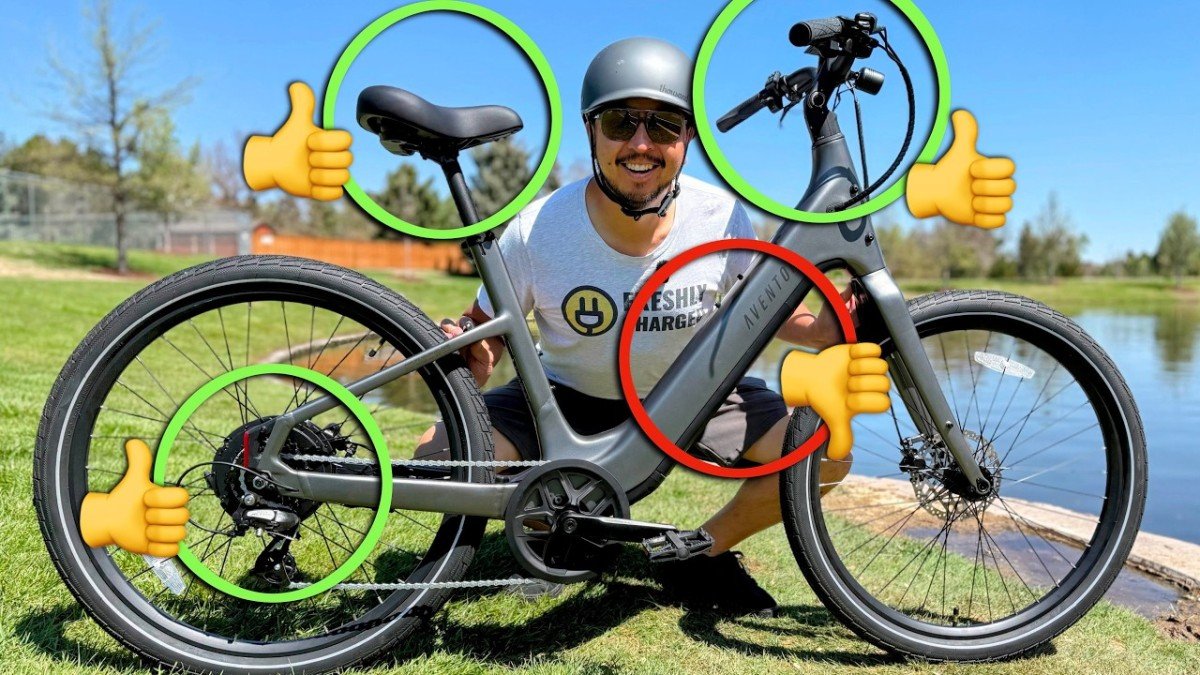
The Aventon Pace 5 is a comfort-first pavement cruiser that packs more technology than anything else in its class, and Andrew and Jimmy put it through a full field session to see if the hardware lives up to the spec sheet. The headline additions are a regen braking system uncommon at this price point and a serious security stack, both of which held up well in testing. The criticisms are short, and the biggest one has more to do with Aventon's own lineup than anything wrong with the bike itself.
Video Review


Written Review
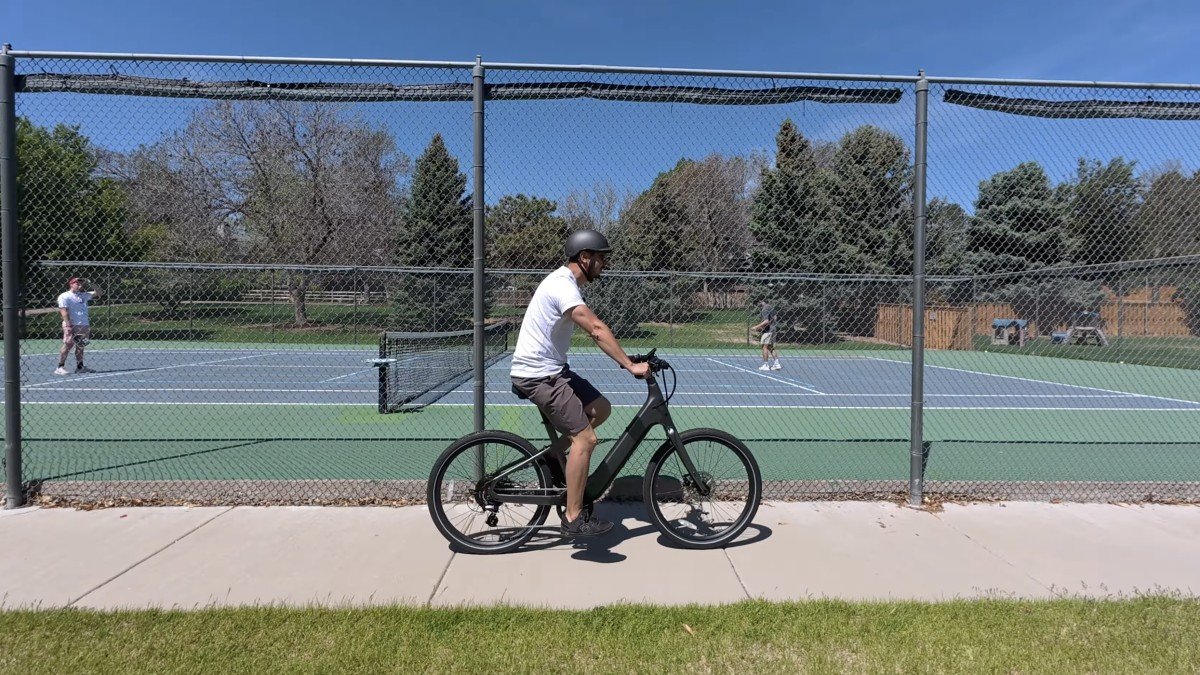
Aventon has been refining their Pace lineup for years, and the newest model within is their clearest expression yet. The Pace 5 is not a trail bike, not a cargo hauler, nor a speed machine. It is a comfort-first pavement cruiser built for people who want an upright, easy-going ride without compromising on technology to get exactly that. Andrew and Jimmy spent a full session testing it, and they came back with few criticisms (in fact, it was a struggle to find things to pick on at all).
- Current price of the Aventon Pace 5 REC: https://alnk.to/4qPp0KX
What Aventon Changed and Why It Matters
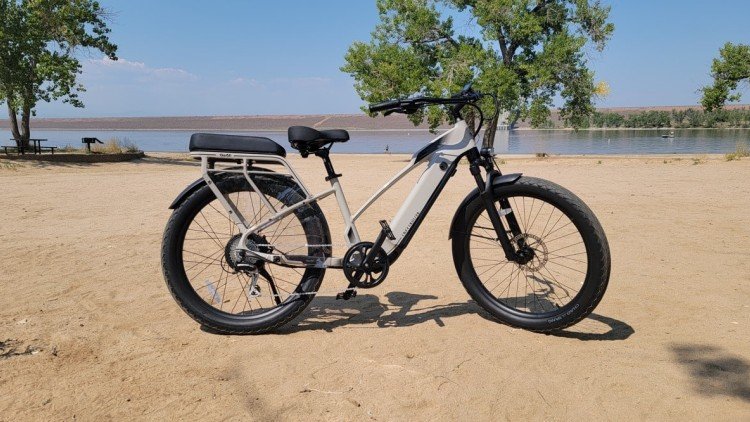
The Pace 5 arrives with a gravity-cast aluminum frame that produces an exceptionally clean finish with virtually no visible weld marks along the main tubes, except the seat tube junction and rear triangle. The swooped handlebars are back after being dropped on the Pace 4, and both Andrew and Jimmy were glad to see them return. Paired with a new adjustable stem, they pull the bars closer to the rider and encourage a natural upright position that keeps your back comfortable over longer rides.
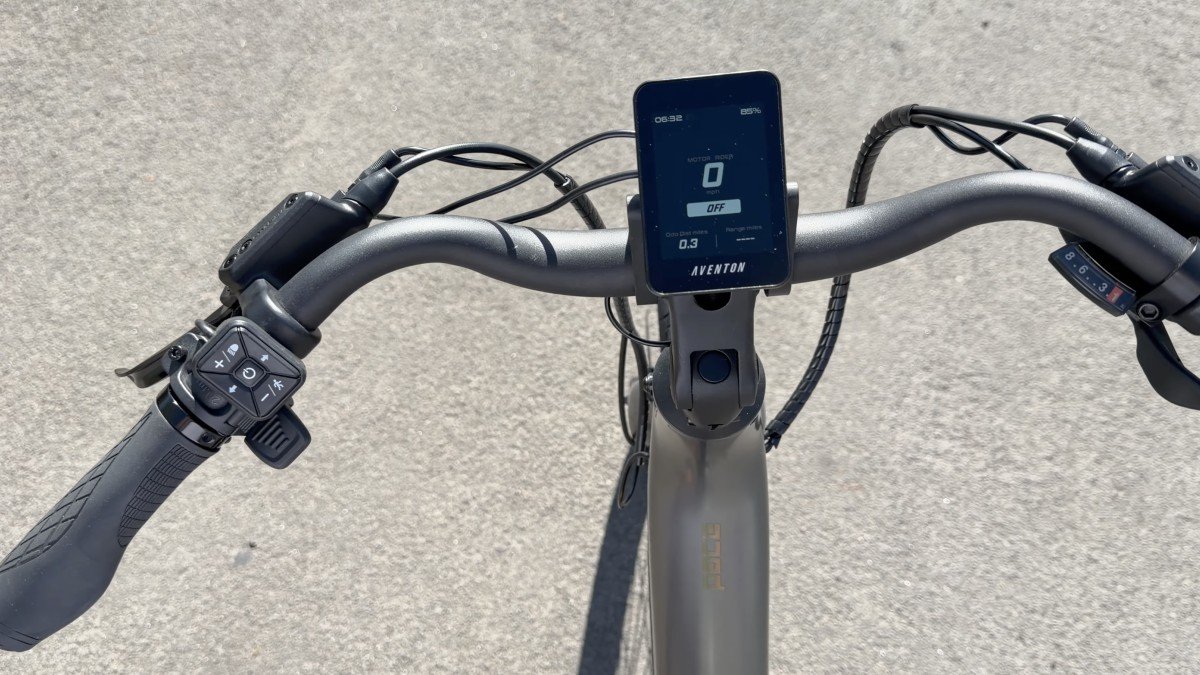
The motor has been bumped to 750W with a peak output of 1,188W, and Aventon has worked to keep it silent even at full draw. The display has been updated with a cleaner font, a larger format, and also doubles as the battery release interface: hold the plus and minus buttons, navigate to battery lock, and the 733Wh pack drops out. On that note, a thoughtful addition mentioned was the backup battery, which functions to keep security features and battery release working when the main pack is drained. The external charge port, now positioned on the side of the frame rather than buried underneath, was called out by both reviewers as one of the most welcome improvements over the previous model.
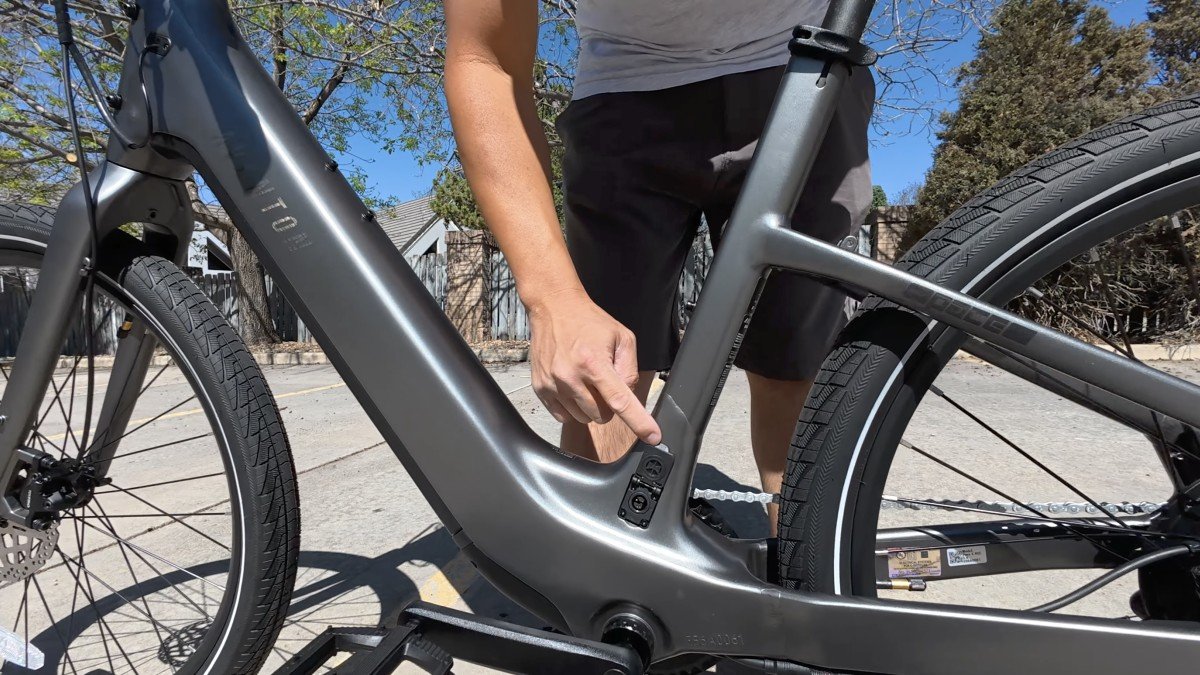
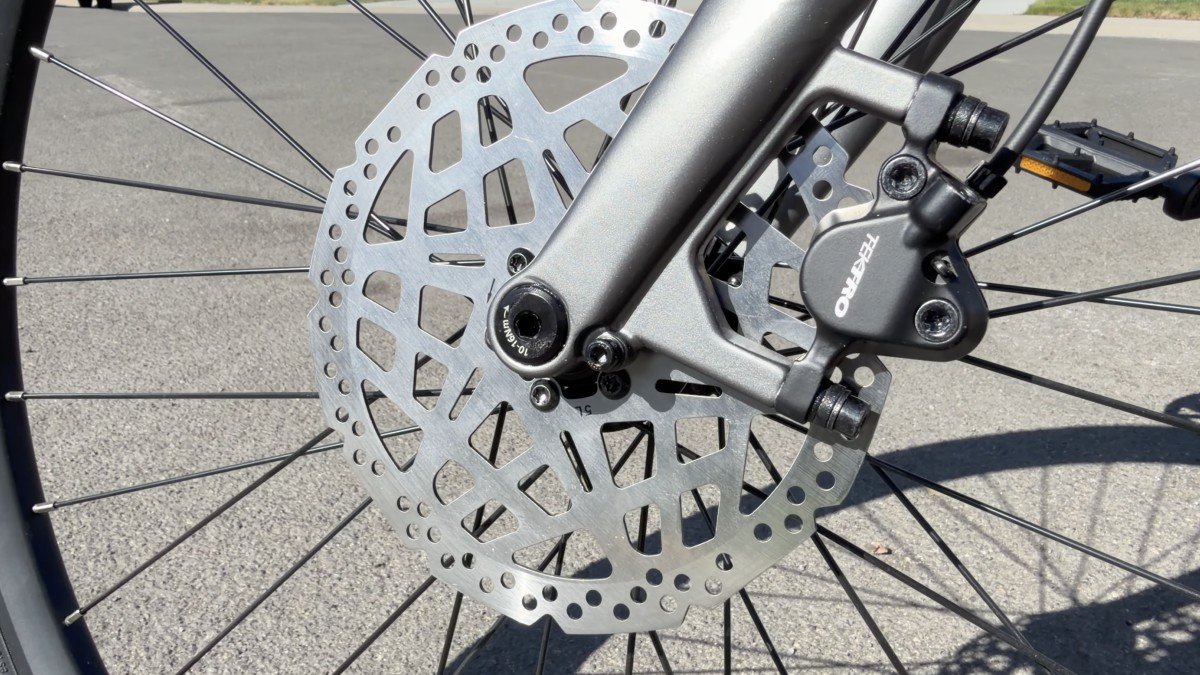
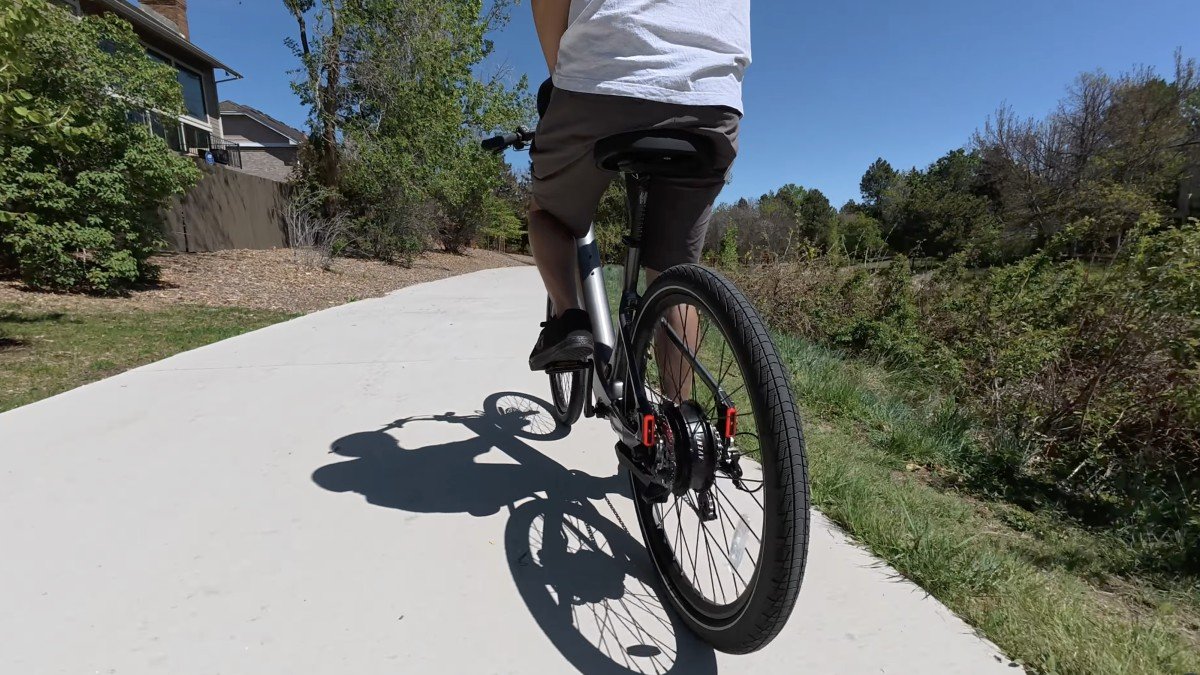
Additional hardware: Tektro hydraulic brakes with 180mm rotors front and rear, a Shimano Altus 8-speed derailleur with a 12x32 tooth cassette, 27.5x2.1 inch tires, and integrated turn signals and brake lights repositioned to face directly rearward for better visibility. The bike ships as Class 2 and is unlockable to Class 3 for a 28 mph top speed.
Ride Feel and the Regen System
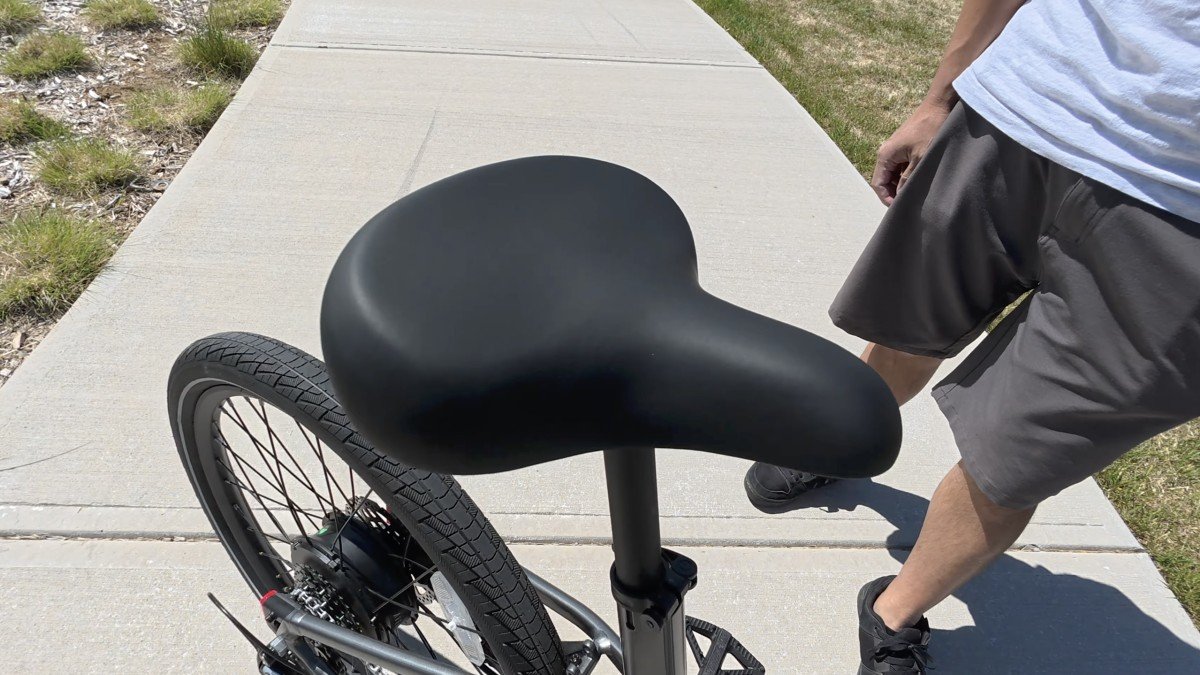
The ride feel is exactly what the design promises — upright, composed, and forgiving on pavement — with the cockpit doing work to keep your posture relaxed and the seat acting as a solid cushion. Andrew opened the review by riding the hill test no-handed in boost mode, which is as good a proxy for stability and motor tuning as any structured benchmark.
The regen braking system is the headline feature, in part because regen on a hub motor is uncommon, as most implementations require a direct drive setup. Aventon achieves it here through controller technology, recovering an estimated 5-8% of energy through either coasting or active braking. Both modes are independently adjustable across five levels, giving the rider meaningful control over how aggressive the effect feels. The system activates automatically when you are traveling over 6 mph without pedaling, with the brake lights illuminating to signal deceleration to anyone behind you.
In field testing on a steep descent, coasting regen held speed to a consistent 22 mph on a hill where a free coast typically reaches 35 to 40 mph. Andrew ran the full descent without touching the brakes while the battery charge indicator visibly climbed on the display, showcasing the effect as gradual and natural rather than grabby. Jimmy drew a fair comparison to EV regen braking, as it can feel unfamiliar at first, but intuitive once adapted. The braking distance test produced equally solid results: Andrew came in at 20 mph and stopped in 14 feet, a strong number derived from the Tektro hydraulic setup.
Security, Connectivity, and the Tech Stack
The wheel lock hub engages directly from the display or the Aventon app, physically preventing the rear wheel from spinning and preventing theft. Lost Mode, accessed through the app via 4G, disables the entire bike and enables real-time GPS tracking until you retrieve and reactivate it. A proximity alarm fires both an audible alert and a push notification to your phone if the bike is moved without authorization. Andrew and Jimmy both made the point that for urban riders in high-theft areas, this stack effectively removes the need to carry a physical lock for short stops, as well as making the bike useless to a thief rather than just inconvenient.
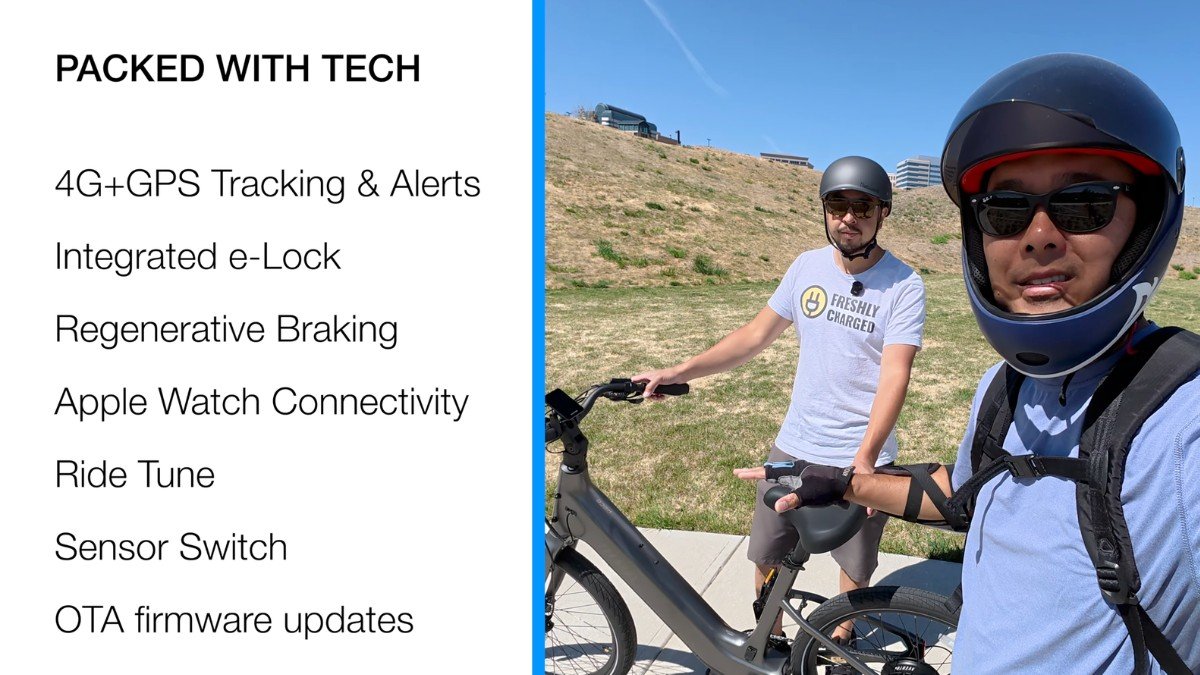
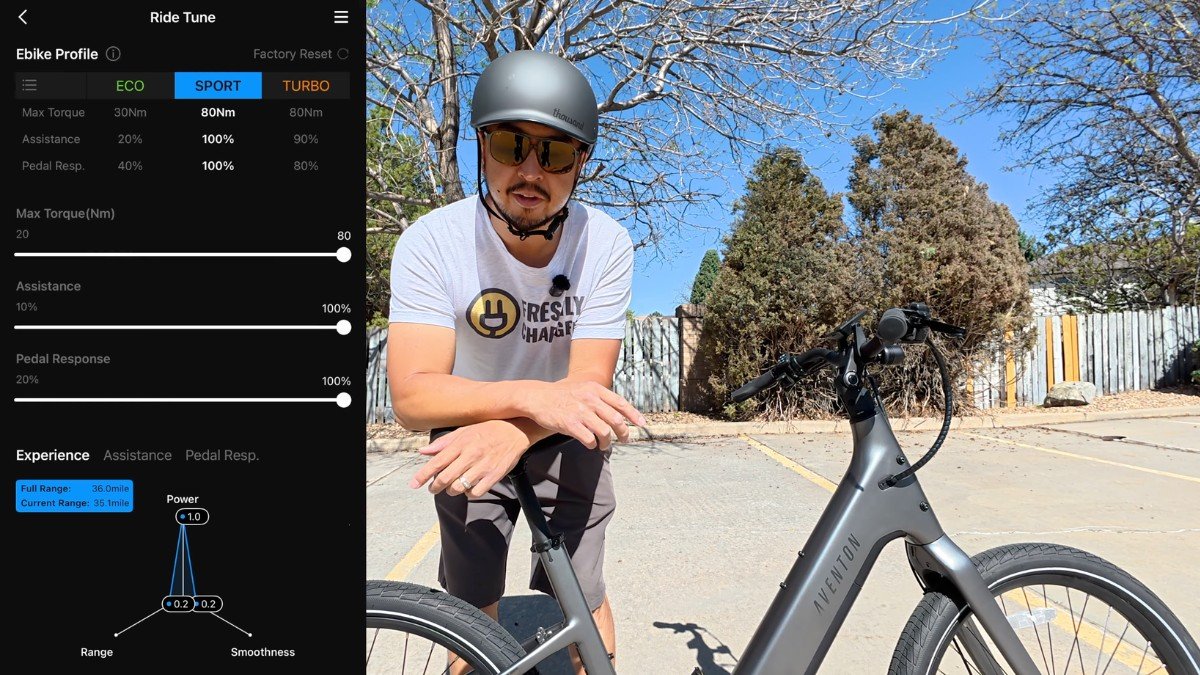
RideTune adds granular customization of each pedal assist level, covering max torque output and acceleration curve, so you can configure the same bike for a hard workout or effortless cruising without touching hardware. The torque and cadence sensor modes are switchable through the app as well. Apple Watch connectivity has been added for health and fitness data integration. The bike carries UL 2849 certification at the frame level and UL 2271 on the battery, with IPX5 water resistance on the bike and IPX6 on the components.
What Is Missing
The honest criticism list is short, and both Andrew and Jimmy acknowledged the difficulty of finding things to knock on this bike.
While no seatpost suspension and no fenders might not be dealbreakers to dry-climate pavement riders, anyone in a wet or dusty environment might want to budget for fenders as an add-on. The more pointed issue is the pricing context: the Level 4 ADV sits only $200 higher and includes front suspension, seatpost suspension, a rear rack, and fenders. Andrew's view is that the price gap should be closer to $300-350 to reflect the actual hardware difference, because the Level 4 ADV becomes genuinely difficult to argue against for anyone who occasionally rides off pavement. At the current spread, that is as much a compliment to the Level 4 ADV as it is a criticism of the Pace 5, but it's worth naming here.
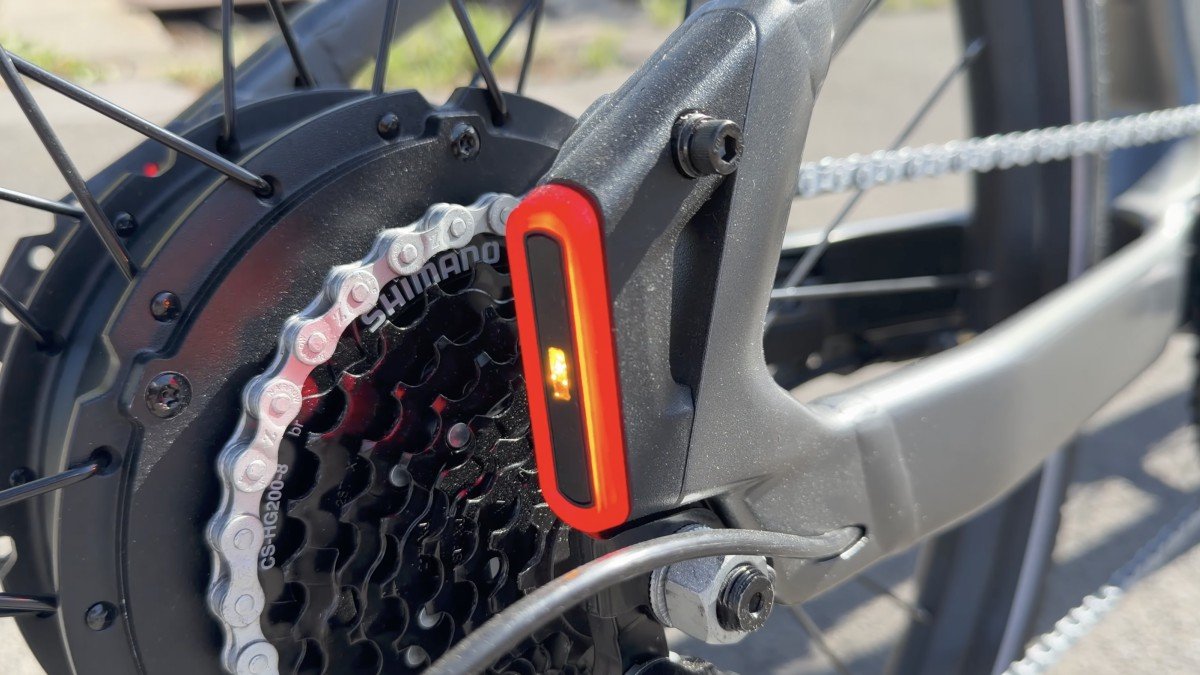
The turn signal implementation is minor but worth noting. Each signal is a single LED occupying a small portion of the available housing real estate. The units are brighter and better positioned than on the Pace 4, but a wider or multi-LED signal strip would be more visible and more in keeping with the otherwise polished execution. Battery universality is the final friction point: the Pace 5 pack is not cross-compatible with most other Aventon models, which matters to anyone already running multiple bikes from the brand.
The Freshly Charged Verdict
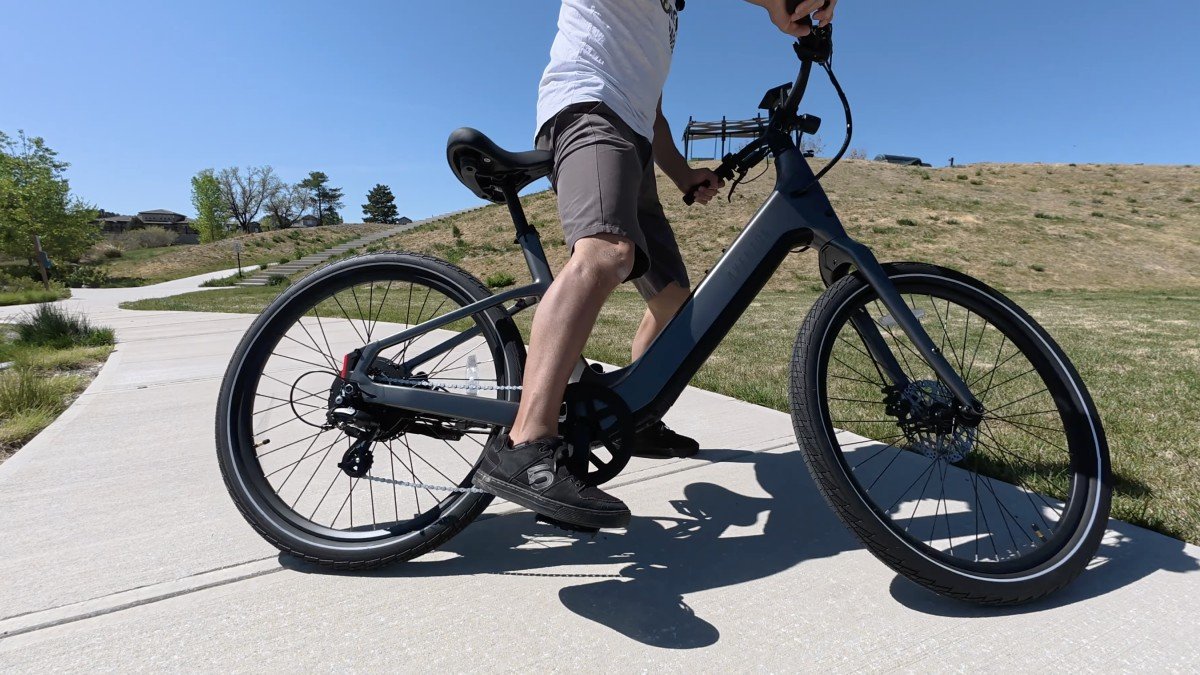
If you want a smooth, well-built pavement cruiser with a complete technology stack — regen braking, GPS tracking, Lost Mode security, RideTune customization, Apple Watch connectivity, and access to over 1,800 dealer locations nationwide — the Aventon Pace 5 delivers all of with the level of quality we have come to expect from this brand. If you need suspension, cargo capacity, or plan to ride beyond paved roads, the Level 4 ADV is worth the extra $200 and then some. The Pace 5 knows exactly what it is, executes it at a high level, and earns its place for the rider it was built for.
- Current price of the Aventon Pace 5 REC: https://alnk.to/4qPp0KX
Electric Bike Comparison Tool
Use our Freshly Charged Electric Bike Comparison Tool to evaluate this product alongside other options or Aventon lineups. Compare and organize bikes by factors such as price, cargo capacity, motor watts, and more.
Related Reviews
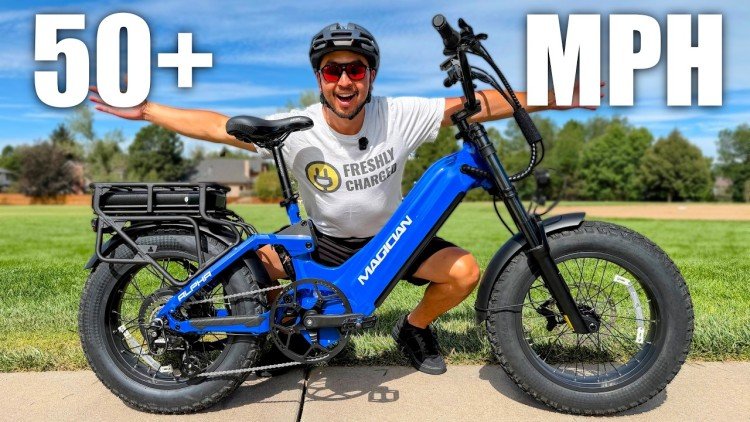
The Magician Alpha Mini is a compact 72V fat tire e-bike that hits real-world speeds over 50 mph while staying surprisingly quiet, the kind of sleeper build that doesn't scream for attention the way a Sur-Ron does. Andrew's testing turned up genuinely impressive torque on steep climbs, a smooth dual-battery system, and thoughtful touches like quick-release tire changes and reinforced rear spokes, though missing turn signals and a horn as standard equipment feel like a disappointing omission at this speed and price. It is a strong pick for riders who want real power performance without the loud, look-at-me presence of other bikes in this class.
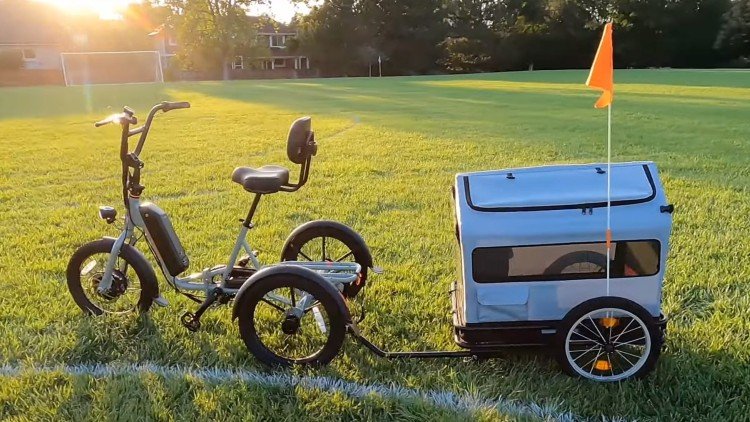
The RadPower RadTrike is a thoughtfully designed electric tricycle ideal for those with mobility challenges. With impressive stability, convenient features like a reverse option and easy-assemble components, it stands out as a user-friendly alternative to traditional bikes. Room for improvement exists in areas like pricing, battery capacity, and component upgrades, but its strengths dominate the experience.
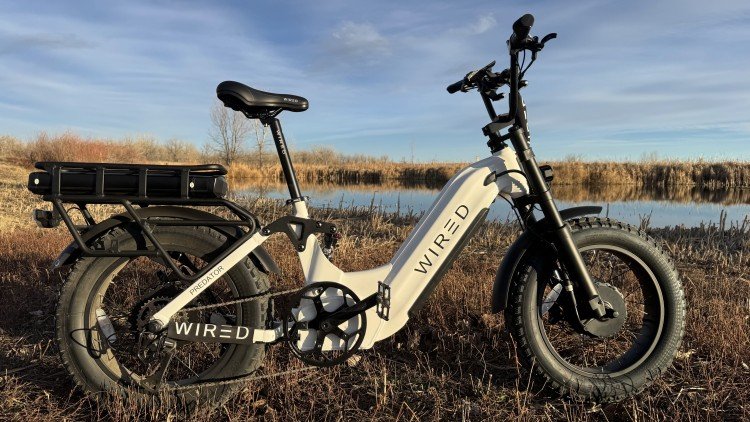
The Wired Viper is an exceptionally high-performance 20x4 fat tire eBike that blurs the line between a traditional bicycle and an electric motorcycle. Featuring massive 72V 35Ah batteries and a dual-motor system capable of an 8,000W peak output, this "compact monster" can reach speeds of over 55 mph with acceleration so aggressive it can easily trigger wheelies. Despite its raw power, the bike offers a premium and stable ride thanks to high-end components like an Exsho Cowboy dual crown fork, 4-piston hydraulic brakes, and a highly customizable display that allows riders to tame the motor behavior. While it is likely too heavy and "unhinged" for beginners or casual commuters, the Viper stands out as a top-tier choice for adrenaline seekers who want maximum torque and long-range performance in a smaller, step-through frame.

The Velotric Tempo is one of the most unique lightweight city ebikes we’ve tested, combining an experience that feels natural with smart features such as Pulse Mode heart-rate training. In this review, we test the ride, tech, and real-world performance to see if this is the best lightweight commuter ebike you can buy right now.

The Aventon Level 4 ADV is a mid-drive commuter e-bike built around a fundamentally different philosophy than most of its competition: instead of chasing the biggest numbers, it chases a smarter ride. The Aventon Ultro S mid-drive motor (750W rated, 100Nm peak torque) paired with a Shimano CUES 10-speed electronic drivetrain and the bike's AutoShift and Auto Mode pedal assist systems work together to create a riding experience that autonomously manages gear selection and power output in real time, leaving the rider to simply pedal and enjoy the scenery. The 800Wh Samsung battery, 100mm suspension fork, Tektro hydraulic brakes front and rear, 50mm suspension seat post, integrated GPS security with remote lockdown capability, and dual UL certifications (UL 2849 and UL 2271) round out a spec sheet that justifies the premium price point. Plus there is Aventon's extensive dealer network for real-world service support. The absence of a brake light is a genuine safety oversight that needs to be addressed, the throttle is an optional add-on rather than included, and the price will give budget-conscious buyers pause... but for the daily commuter who wants a refined, intelligent, theft-resistant bike that rides more like a high-end road bike than a utility hauler, the Level 4 ADV should be a contender.
-medium.jpg)
The Monarc Marker is the debut bike from Lectric eBikes' latest spinoff, pairing genuinely premium components such as four-piston brakes, a Shimano CUES derailleur, and two included 720Wh batteries, all for a price that undercuts what that hardware usually costs elsewhere. Andrew's full day of testing turned up a smooth, quiet ride and what he called the best front suspension he's felt on a fat tire e-bike, though a damaged shipping box and the total absence of any theft tracking took some shine off the experience. At $1,999 with a 5-year warranty and Lectric's stellar customer service reputation behind it, it's a strong pick for riders who want premium parts on an adventure bike without the accompanying price tag.
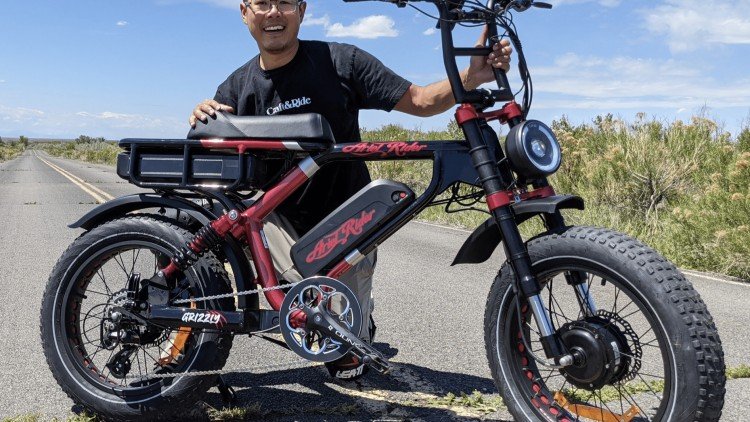
The Ariel Rider Grizzly is a powerhouse dual-motor eBike, perfect for those looking to replace a moped or motorcycle. With speeds up to 36 mph, adjustable suspension, dual batteries, and durable fat tires, it’s built for fun and commuting. While heavy and not ideal for advanced trails, it excels in style, comfort, and thrilling performance.
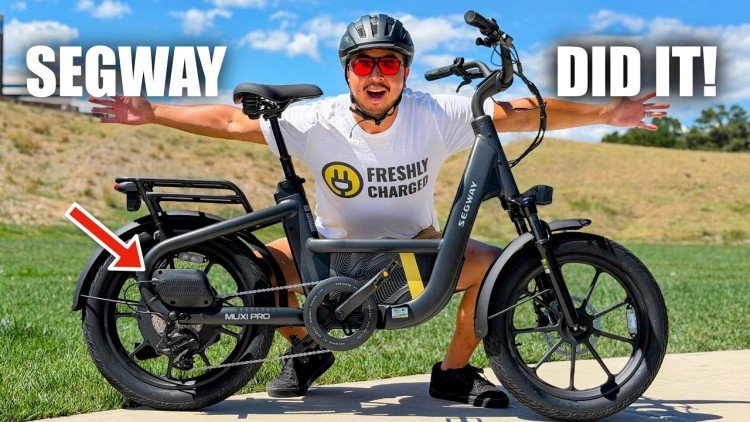
The Segway MUXI Pro is here, built to answer the three biggest complaints we surfaced in our original MUXI review. Upgrades include front suspension with 70mm wheel travel, a 9-speed electronic drivetrain that finally delivers on Class 3 speeds (up to 28 mph), and integrated turn signals. Jimmy and Andrew's testing confirmed the upgrades hold up in practice, and are happy to report the bike kept the security tech that made the original stand out; including AirLock proximity unlocking, GPS tracking, and Lost Mode. At $1,999.99 through local dealers only, the MUXI is a unique tech loaded cargo commuter that will make the right rider happy.
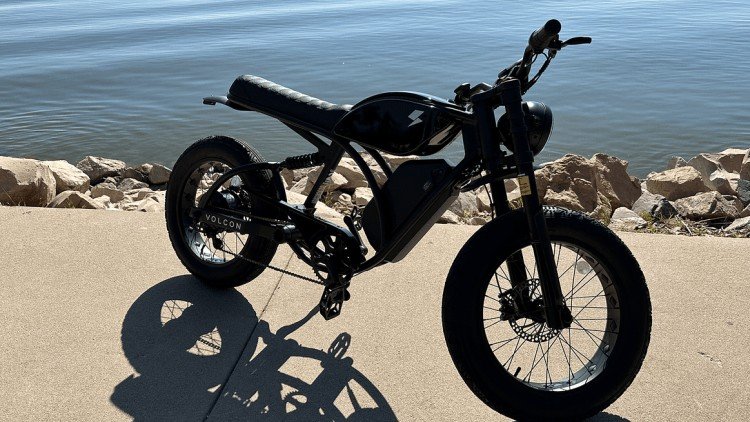
The Volcon Brat stands out as an ebike with bold motorcycle aesthetics, robust features like 31 mph throttle speed, full suspension, and hydraulic disc brakes. While practical elements and durability impress, issues like ineffective fenders, non-integrated battery, and stiff suspension highlight areas for improvement. A top pick for motorcycle enthusiasts venturing into ebikes.
No comments yet…